Island Village off Miami
Welcome to Key Biscayne, the Miami-Dade island village between Biscayne Bay and the Atlantic, framed by Crandon Park and the historic Cape Florida Lighthouse.
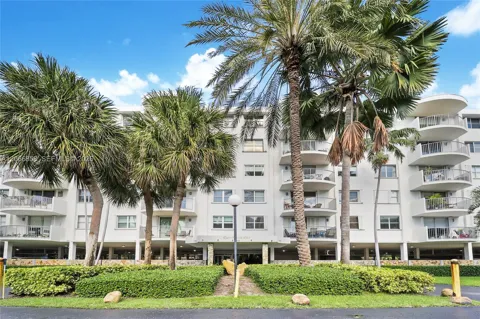
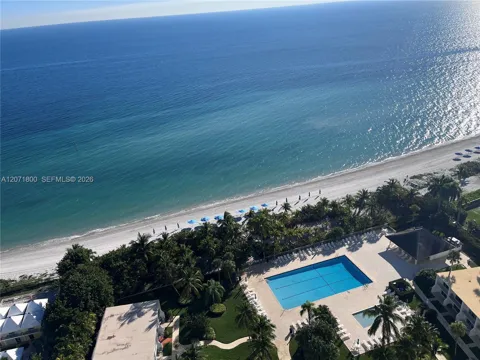
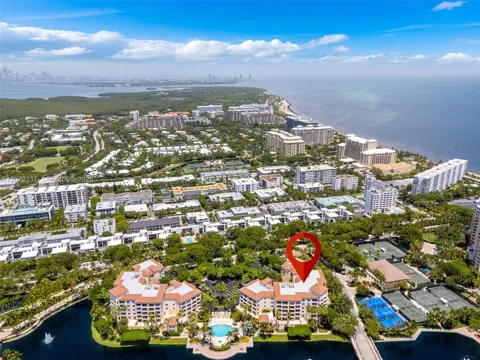
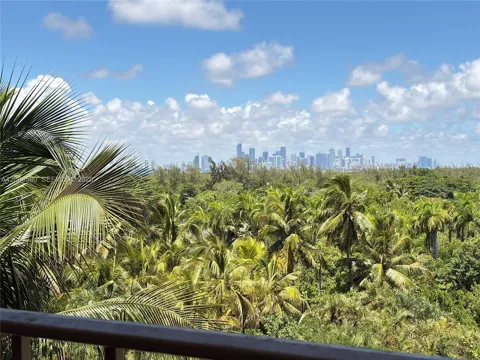
Key Biscayne is a village in Miami-Dade County, Florida, occupying the barrier island of the same name in Biscayne Bay, about ten miles southeast of downtown Miami. Part of the Miami metropolitan area, it is a compact, affluent residential community bounded by the Atlantic Ocean on one side and Biscayne Bay on the other. The island's modern history began in earnest with the completion of the Rickenbacker Causeway in 1947, which linked Key Biscayne to the mainland and opened it to residential development. Before that, the island was a sparsely settled outpost, though it already held a significant landmark: the Cape Florida Light, a lighthouse built in 1825 and rebuilt in 1846 that stands today as the oldest structure in Greater Miami. Two large parks frame the village. Crandon Park occupies the northern end with its beach, golf course, tennis center, nature center, and marina, while Bill Baggs Cape Florida State Park covers roughly the southern third of the island, offering beachfront, fishing, bike trails, and the historic lighthouse. Between them, the residential core stretches along Crandon Boulevard. Key Biscayne's residents include families, professionals, and executives, many of whom commute across the causeway to downtown Miami, Brickell, and Coral Gables. The village center near the causeway landing clusters shops, the K-8 school, and civic buildings, while the marina and shoreline parks anchor weekend activity. The island's flat, tree-lined streets are popular for walking and cycling, and with both ends of the island given over to parkland, nearly every home sits within a short walk or ride of the beach or the bay. Housing ranges from waterfront condominiums to single-family and contemporary two-story homes, reflecting decades of development within a strictly limited footprint.
Key Biscayne is in Miami-Dade County, Florida, on the barrier island of Key Biscayne in Biscayne Bay. It is a village about ten miles southeast of downtown Miami, part of the Miami metropolitan area of South Florida.
Key Biscayne lies about ten miles southeast of downtown Miami, connected to the mainland by the Rickenbacker Causeway. The drive to downtown Miami and Brickell typically takes under half an hour depending on traffic.
Public schools on Key Biscayne are part of Miami-Dade County Public Schools. The Key Biscayne K-8 Center serves students in kindergarten through eighth grade on the island, and high school students attend schools elsewhere in the district.
Key Biscayne is framed by two large parks: Crandon Park on the north end, with its beach, golf course, and nature center, and Bill Baggs Cape Florida State Park on the south, home to the 1825 Cape Florida Lighthouse.
Yes. Key Biscayne is a barrier island between Biscayne Bay and the Atlantic Ocean, linked to the mainland by the Rickenbacker Causeway, which opened the island to residential development in 1947.
City Guide
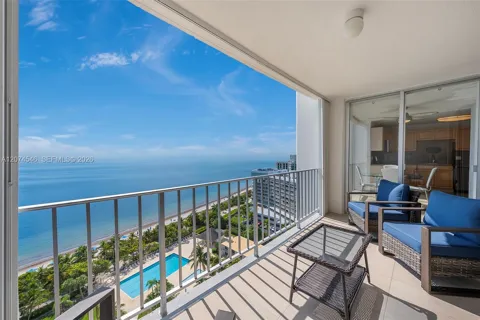
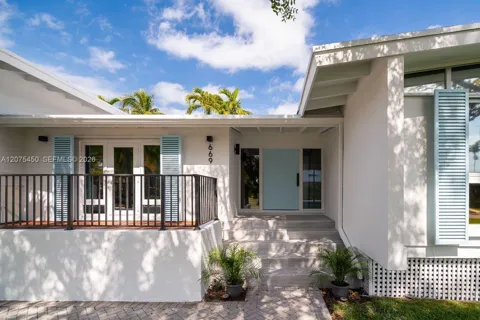
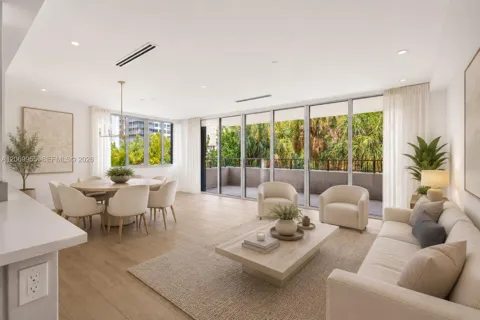
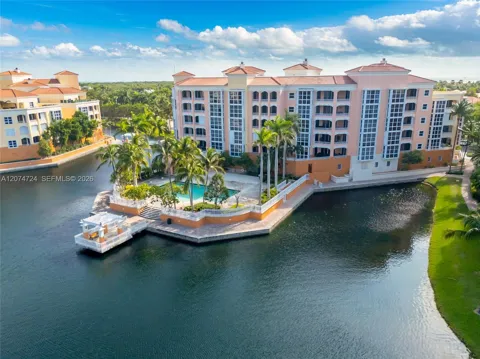
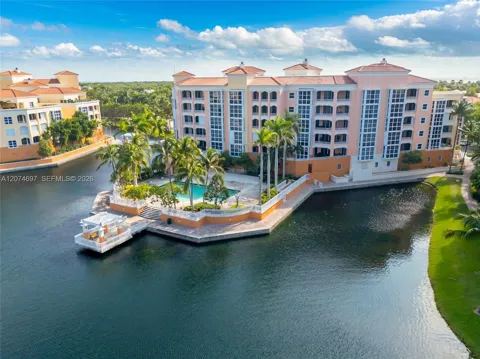
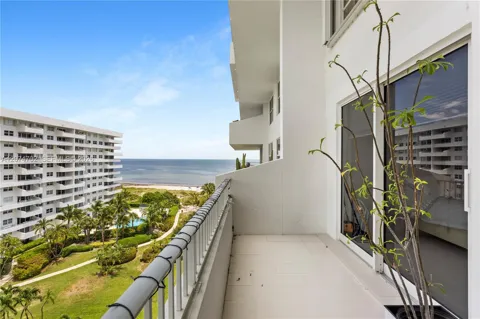
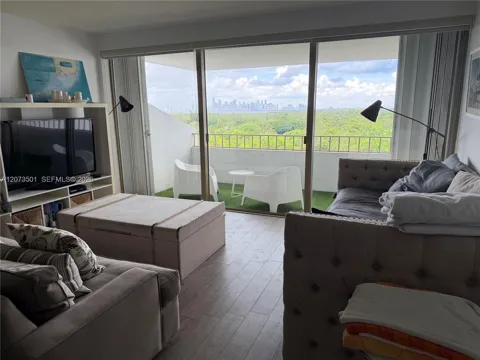
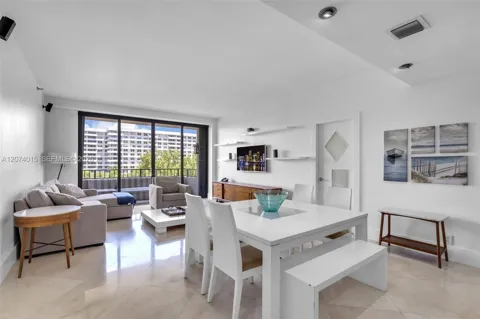
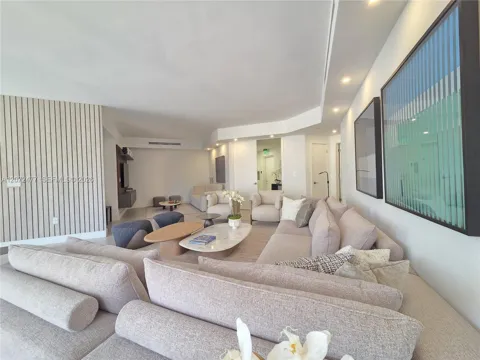
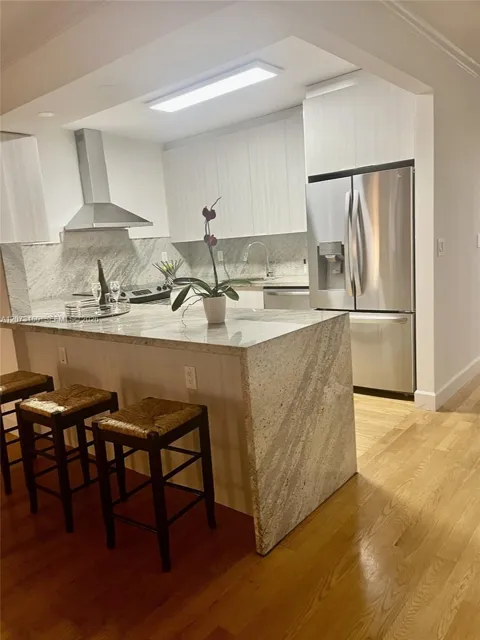
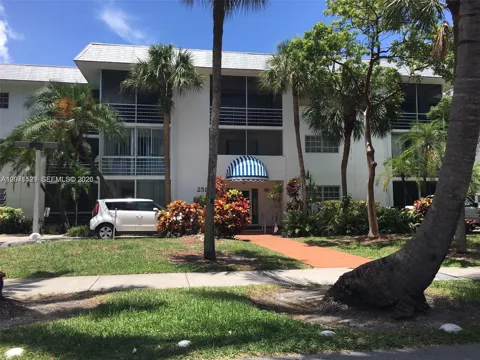
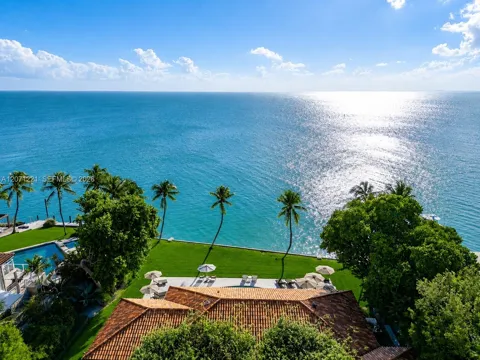
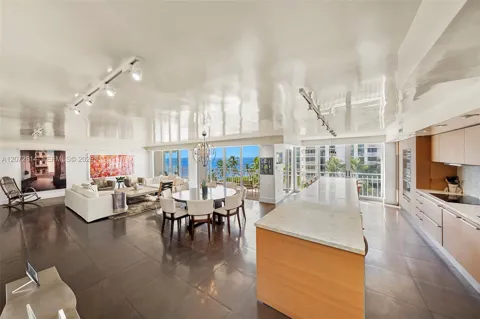
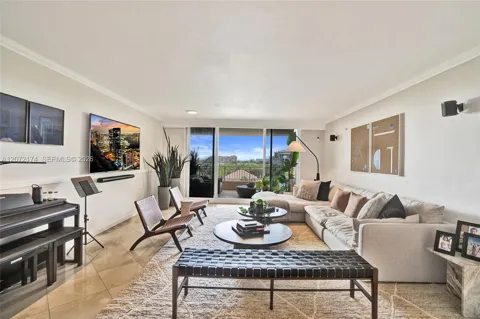
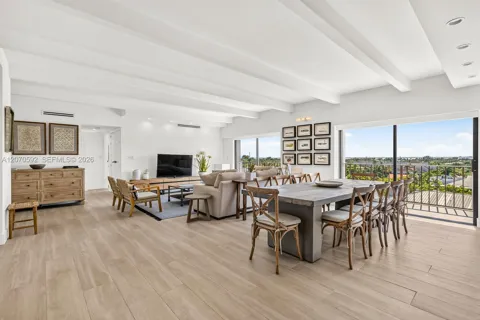
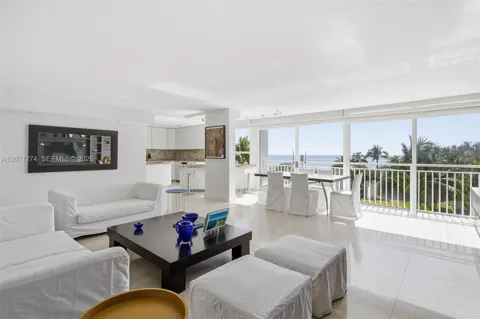
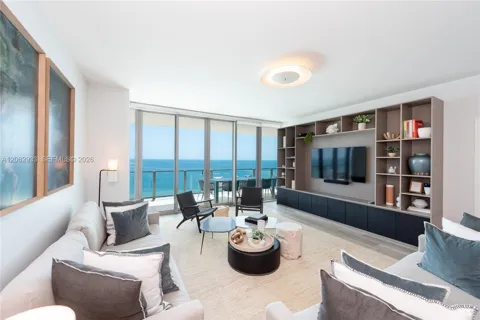
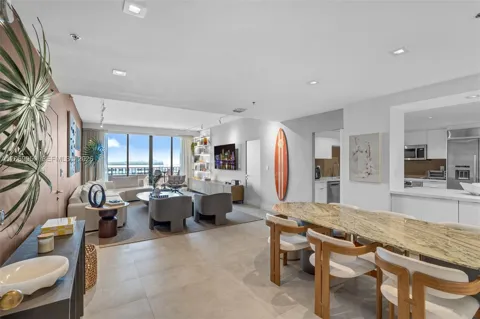
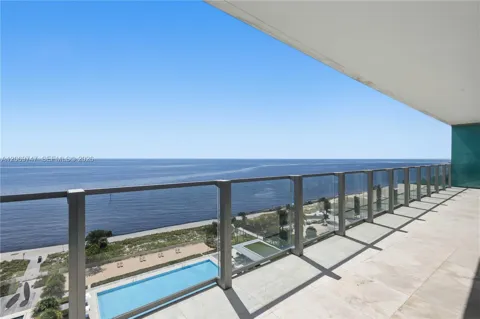
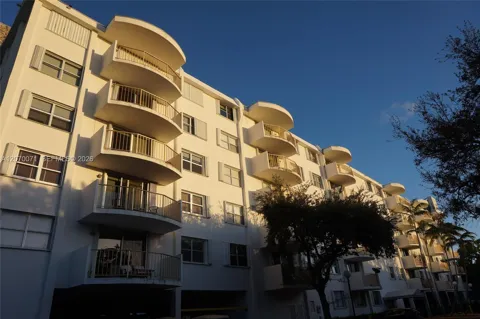
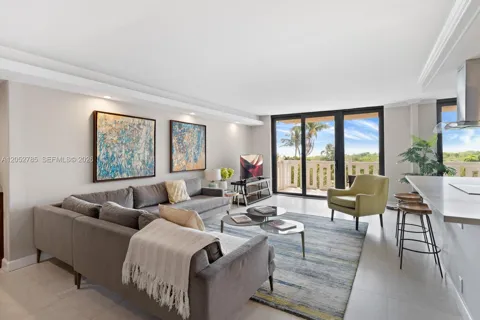
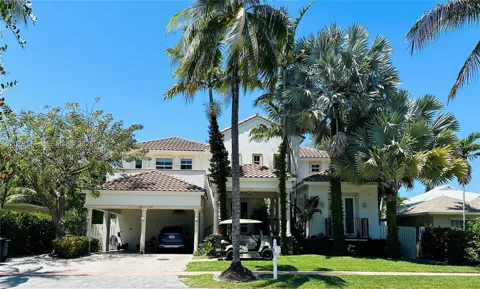
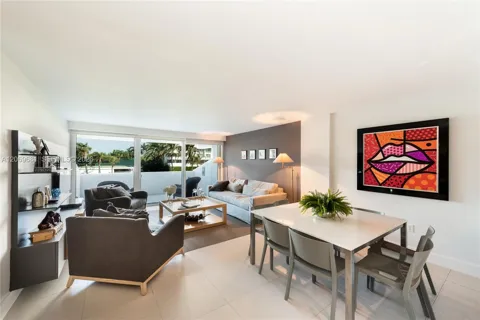
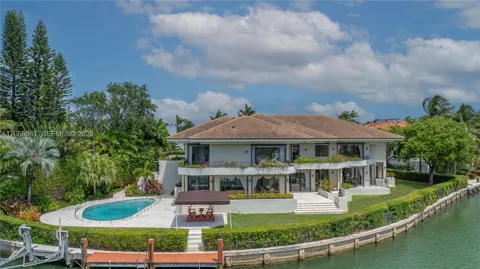
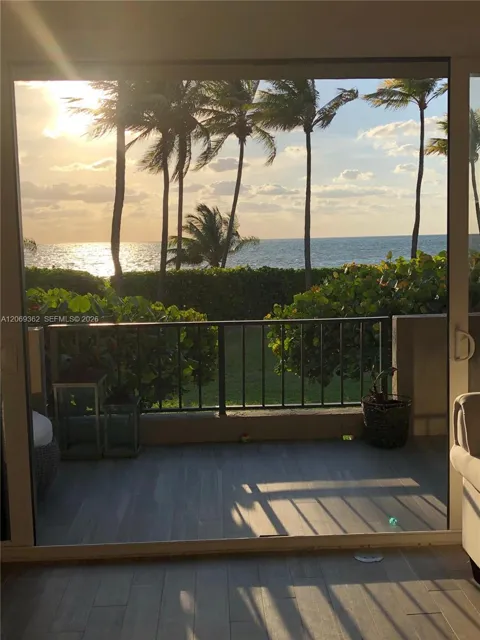
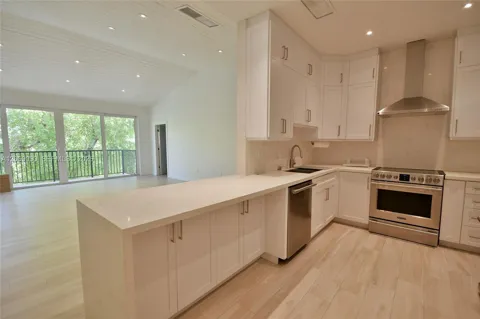
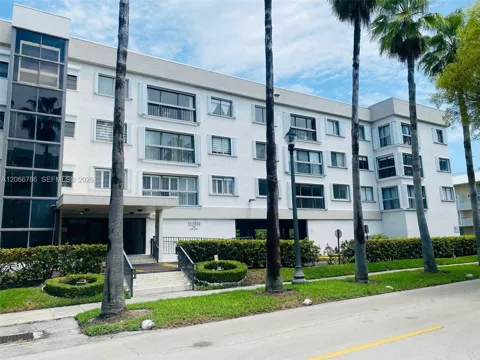
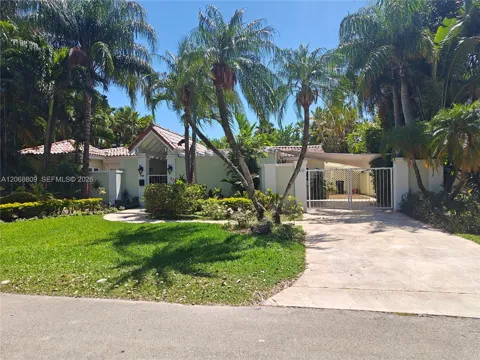
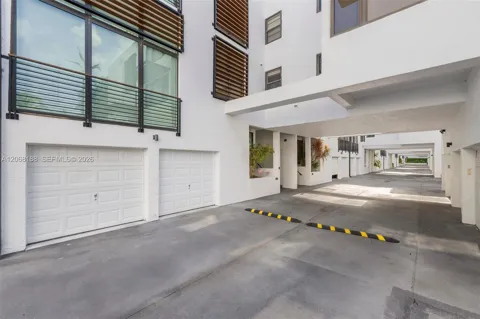
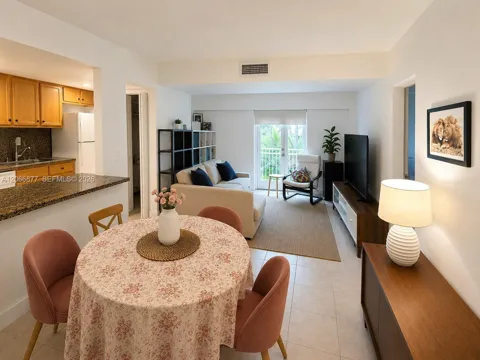
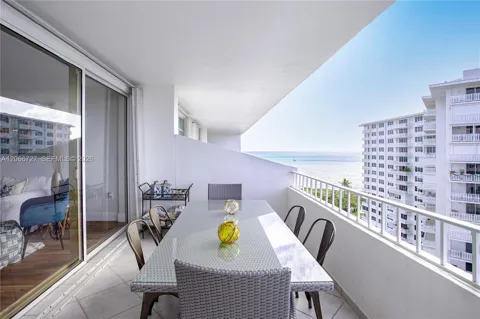
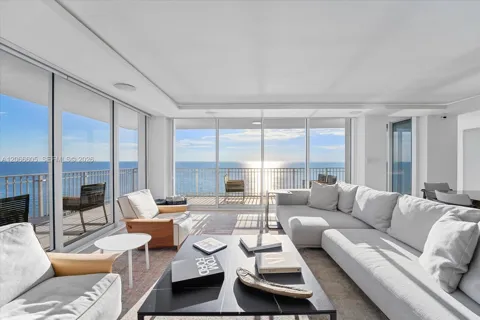
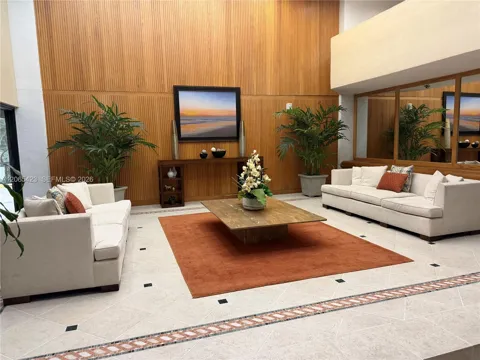
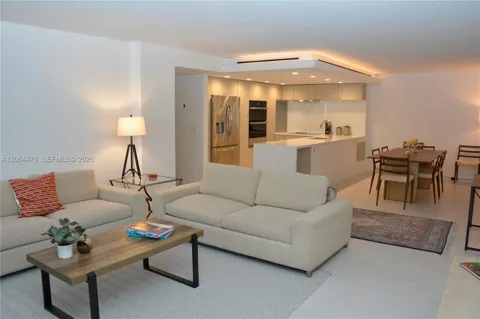
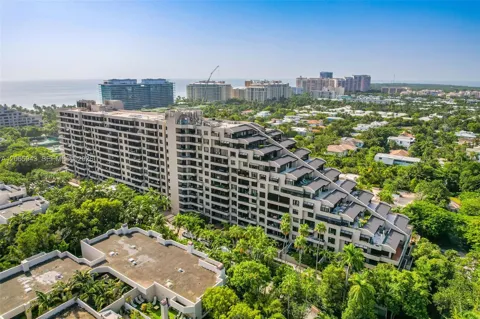
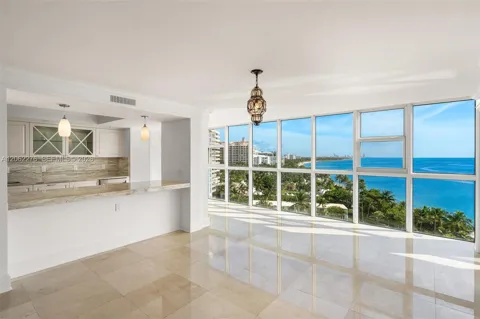
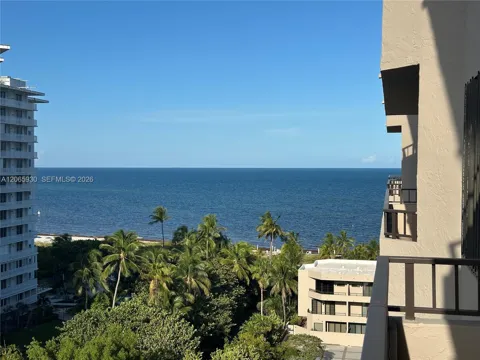
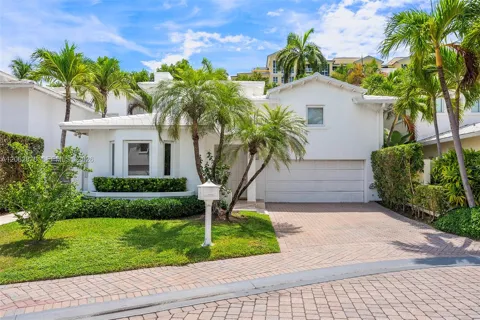
Key Biscayne's housing stock is defined by its island setting and limited land. The village offers a mix of waterfront condominium buildings, single-family homes, and modern developments, with two-story contemporary homes common across its neighborhoods. Older mid-century residences sit alongside newer construction and recently built condos, much of it oriented toward bay or ocean views. Because the island is small and bounded by two large parks, the market is inherently constrained, favoring established homes and well-located condominiums over large new subdivisions.
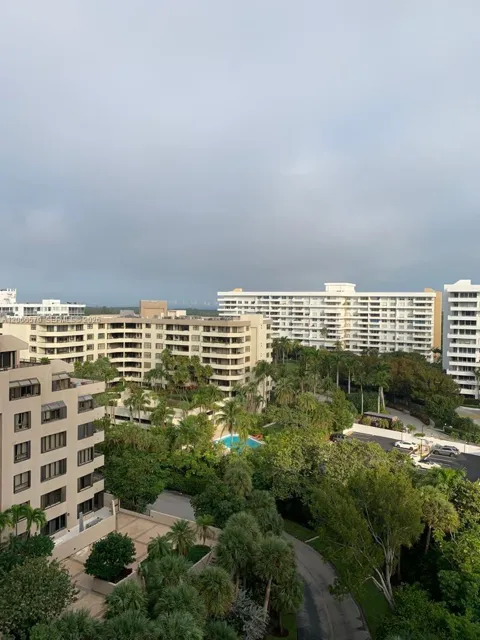
Key Biscayne's residential area runs along Crandon Boulevard between Crandon Park on the north and Bill Baggs Cape Florida State Park on the south. The village center, near the causeway landing, clusters shops, schools, and civic buildings, while waterfront and near-water streets hold the island's condominiums and larger homes. Inland blocks contain a mix of original mid-century houses and newer contemporary builds. With both ends of the island given over to parkland, the community is compact, walkable, and uniformly close to the beach or the bay.
Life on Key Biscayne blends island tranquility with Miami's energy. Residents enjoy a resort-like daily rhythm built around the beach, boating, golf, and tennis, with Crandon Park's facilities and the village's parks forming the social center. The island is family-oriented and notably safe and self-contained, yet downtown Miami's museums, galleries, restaurants, and performing arts are a short causeway drive away. Weekends revolve around the beach, the marina, and casual outdoor dining, giving the village a relaxed, vacation-adjacent atmosphere that still offers full access to the mainland's professional and cultural life.
Public schools on Key Biscayne are part of Miami-Dade County Public Schools, one of the nation's largest districts. The Key Biscayne K-8 Center, also known as the Key Biscayne Community School, serves students in kindergarten through eighth grade on the island, while high school students attend schools elsewhere in the district. The village also has access to private and parochial schools in the surrounding Miami area, and its location provides easy reach to the region's colleges and universities.
Key Biscayne is connected to the mainland exclusively by the Rickenbacker Causeway, which leads to downtown Miami, Brickell, and the region's expressway network about ten miles away. Crandon Boulevard is the island's main north-south route, and the village's compact layout makes it easy to get around by car, bicycle, or golf cart. Miami International Airport is roughly a 20- to 30-minute drive, and while the island itself has no rail service, the causeway provides a direct link to Miami's Metromover, Metrorail, and bus systems.
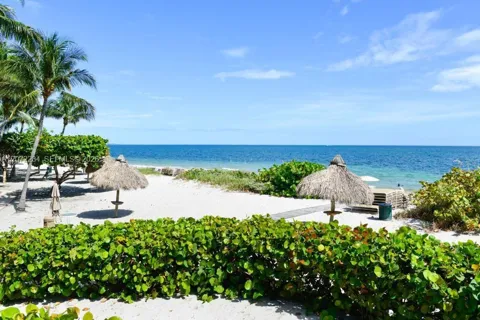
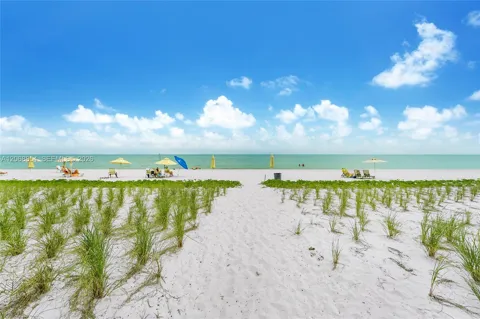
Key Biscayne's recreation is concentrated in its two great parks. Crandon Park offers a long ocean beach, an 18-hole golf course, a tennis center, a marina, and a nature center, while Bill Baggs Cape Florida State Park provides beachfront, fishing piers, bike trails, and the historic Cape Florida Lighthouse, open for tours. Biscayne Bay supports sailing, kayaking, paddleboarding, and fishing, and the island's flat streets are popular for cycling. The proximity to Biscayne National Park and Miami's marinas extends the water-based options further.
MARKET SNAPSHOT
How homes have been selling here over the last 90 days.
Market data reflects closed sales over the last 90 days and is provided for informational purposes.
EXPLORE COMMUNITIES
Browse the neighborhoods and subdivisions in this area.
BROWSE BY ZIP
Browse listings by postal code in this area.