Broward County Seat on the Atlantic
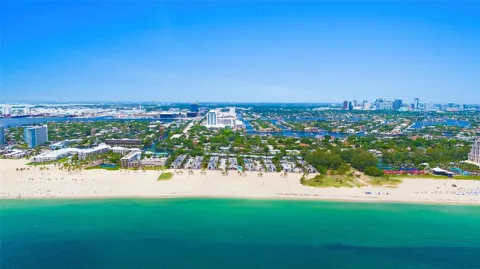
Welcome to Fort Lauderdale, the Broward County seat on the Atlantic coast, laced with over 300 miles of navigable canals. Waterfront neighborhoods, a revitalized downtown, and one of the world's largest cruise ports.
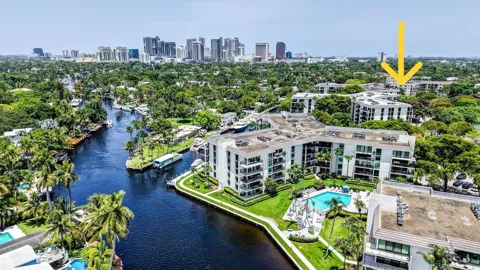
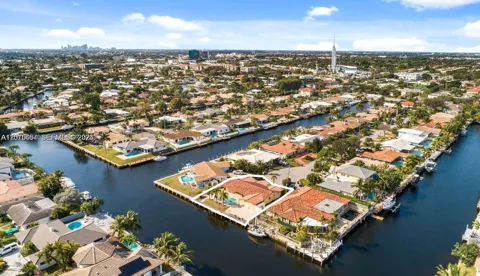
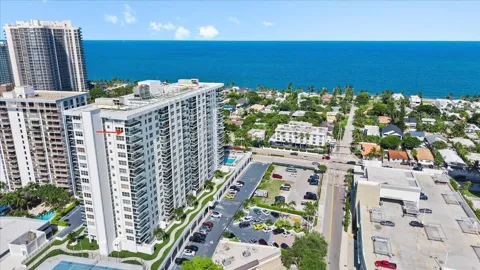
Fort Lauderdale stretches along the Atlantic coast of southeastern Florida, about 25 miles north of Miami and 45 miles south of West Palm Beach. The city owes its distinctive geography — and its nickname, the "Venice of America" — to an intricate grid of canals, rivers, and inlets that weave through residential neighborhoods and connect to the Intracoastal Waterway and the Atlantic Ocean. More than 300 miles of navigable waterways run through the city, and waterfront living is not a niche here; it is the organizing principle of whole neighborhoods. Founded as a U.S. Army fort during the Second Seminole War in 1838, the settlement remained small until the Florida land boom of the 1920s and the subsequent dredging of the canals that defined its modern form. For much of the mid-20th century, Fort Lauderdale was known primarily as a spring break destination. Over the past three decades, however, the city has undergone a substantial transformation, shedding its party-town reputation in favor of a more sophisticated identity built around culture, dining, and a luxury residential market. The Riverwalk along the New River, the revitalized Las Olas Boulevard corridor, and the emergence of Flagler Village as an arts and tech hub all reflect this evolution. Today Fort Lauderdale is a diverse, mid-sized city with global reach — Port Everglades is one of the busiest cruise ports in the world, and Fort Lauderdale–Hollywood International Airport offers direct flights to destinations across the Americas and Europe. The city attracts a mix of families, professionals working in South Florida's growing tech and financial-services sectors, international buyers seeking waterfront properties, and retirees drawn to the climate and tax advantages. It sits at the center of a region that has seen significant inbound migration, and its neighborhoods range from historic, oak-canopied streets to sleek new high-rise condominiums along the downtown skyline.
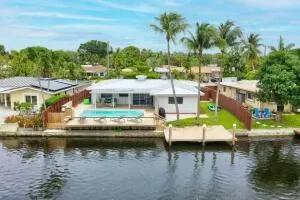
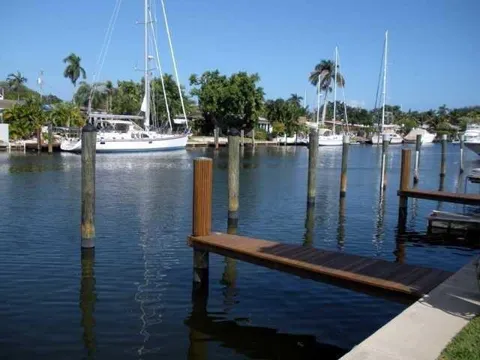
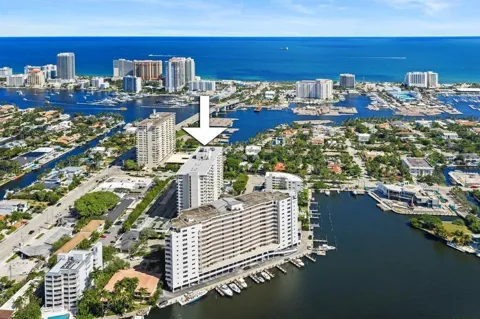
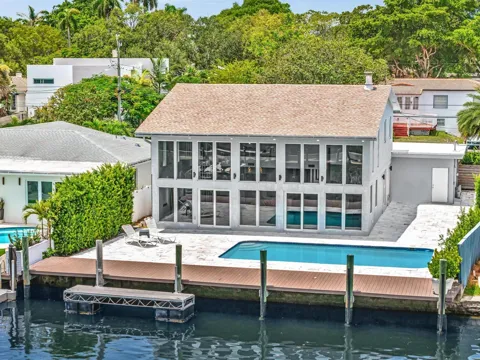
Fort Lauderdale is called the "Venice of America" because of its extensive network of canals, rivers, and inlets. More than 300 miles of navigable waterways run through the city, connecting residential neighborhoods to the Intracoastal Waterway and the Atlantic Ocean. The canal system was largely dredged during the 1920s land boom and today defines the city's geography and lifestyle, with thousands of homes offering direct water access and private docks.
Fort Lauderdale is located in Broward County, Florida, and serves as the county seat. Broward County is the second-most populous county in Florida after Miami-Dade, with approximately 1.9 million residents. Fort Lauderdale anchors the northern end of the Miami–Fort Lauderdale–West Palm Beach metropolitan area.
Fort Lauderdale's premier waterfront neighborhoods include Las Olas Isles, Idlewyld, Harbor Beach, Rio Vista, and the Landings, all of which offer deepwater canal access with private docks capable of accommodating large vessels. Coral Ridge and Victoria Park also offer waterfront properties, typically on slightly narrower canals. These neighborhoods vary in age, architectural character, and proximity to the beach and downtown.
Fort Lauderdale is served by Broward County Public Schools, the sixth-largest school district in the United States with more than 250,000 students across over 320 schools. Within the city, well-regarded public schools include Bayview Elementary, Harbordale Elementary, Fort Lauderdale High School, and Stranahan High School. The district offers an extensive magnet and choice program, and the city is also home to prominent private schools including Pine Crest School and St. Thomas Aquinas High School.
There are several ways to travel between Fort Lauderdale and Miami. Brightline, the higher-speed rail service, connects downtown Fort Lauderdale to downtown Miami and Brickell in about 35 minutes. Tri-Rail, the public commuter rail, offers a lower-cost option with more frequent stops. By car, Interstate 95 provides the most direct route, with typical drive times of 30 to 45 minutes depending on traffic. Fort Lauderdale–Hollywood International Airport is about 25 miles from Miami International Airport.
Port Everglades is one of the busiest cruise ports in the world, located just south of downtown Fort Lauderdale adjacent to the airport. It handles millions of cruise passengers annually and is also a major cargo and petroleum port. The port is a significant driver of the local economy, supporting the tourism, hospitality, and marine industries that are central to Fort Lauderdale's identity. It serves as a home port for cruise lines including Royal Caribbean, Celebrity, and Princess.
City Guide
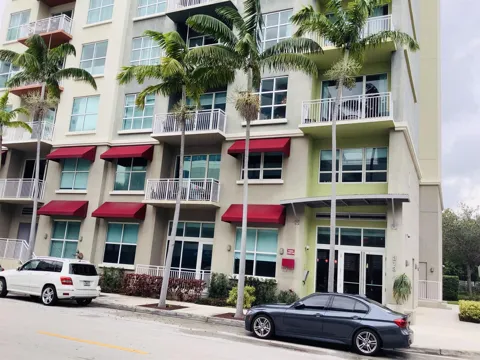
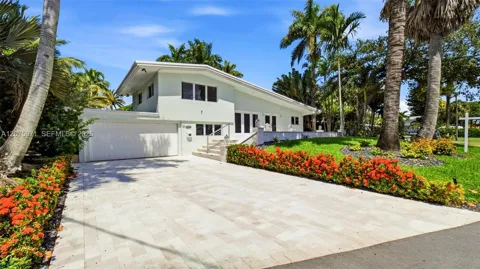
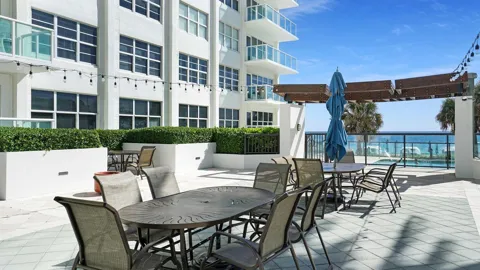
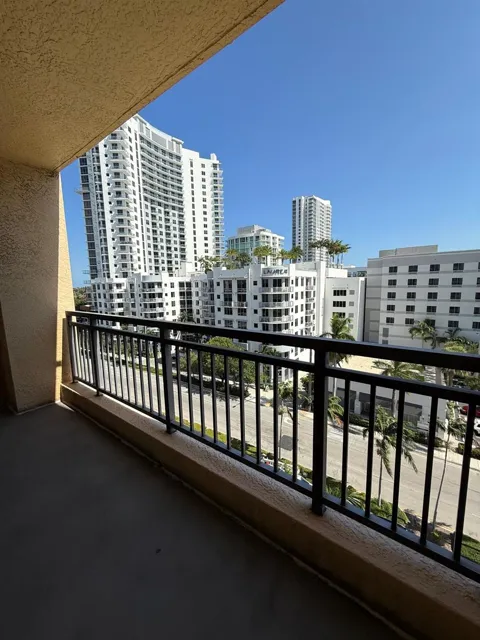
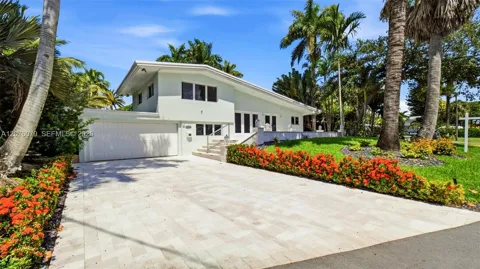
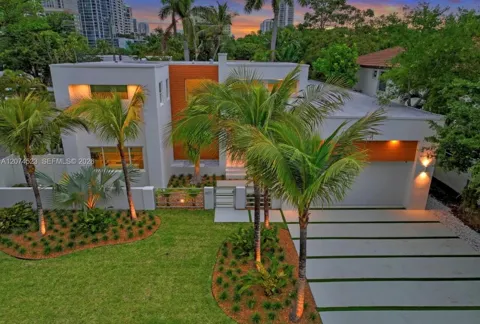
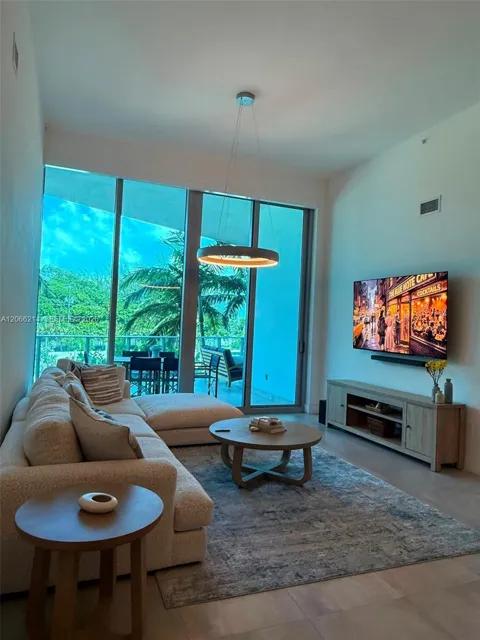
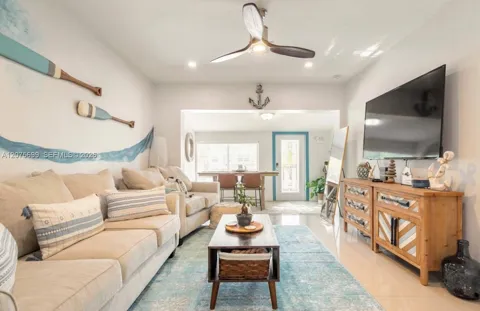
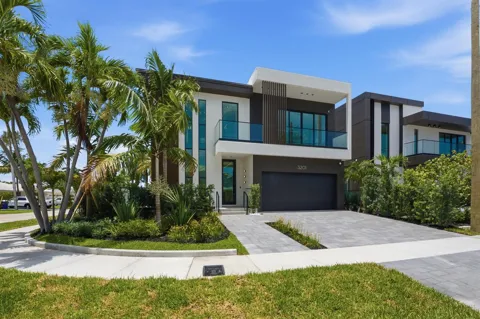
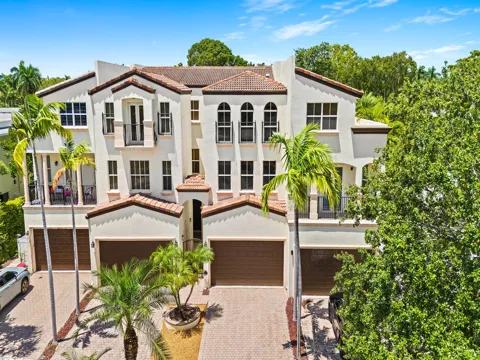
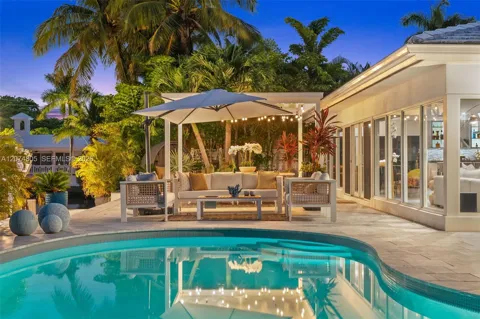
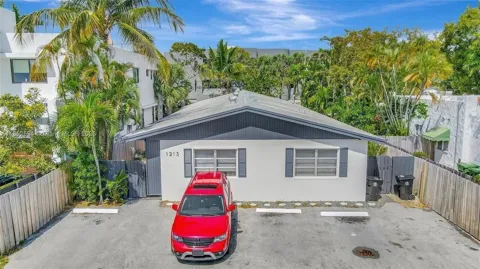
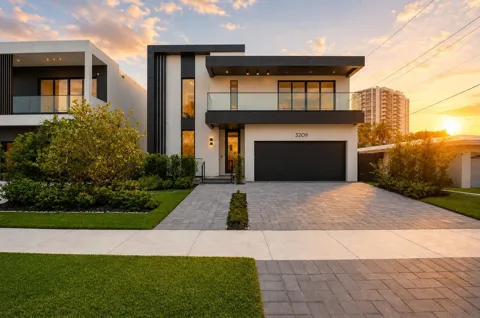
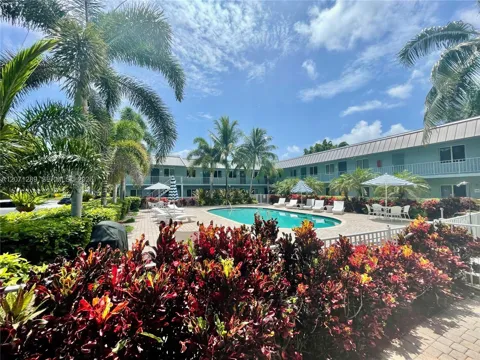
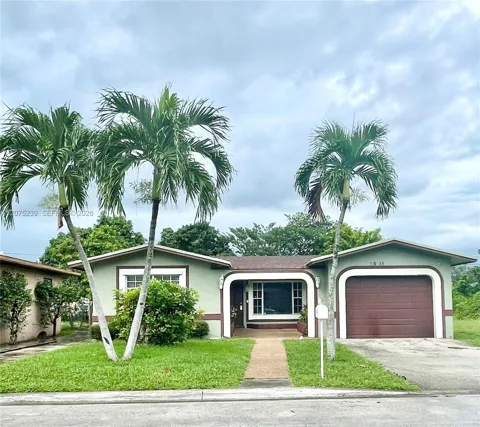
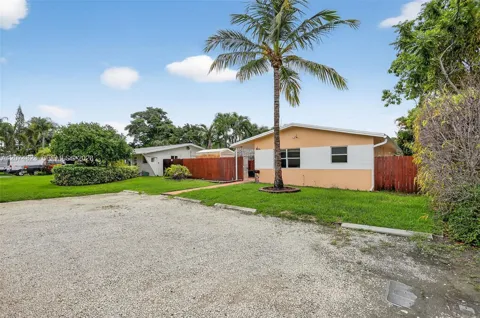
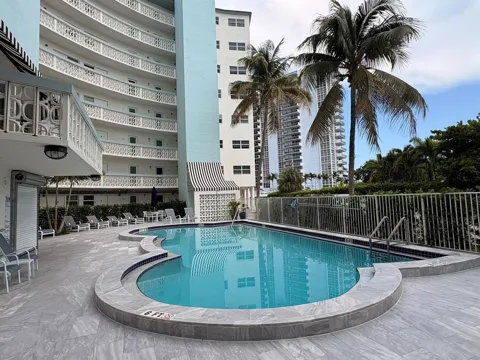
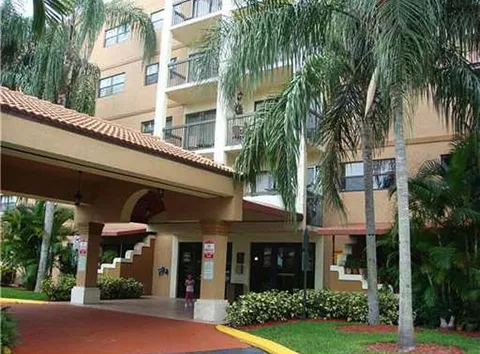
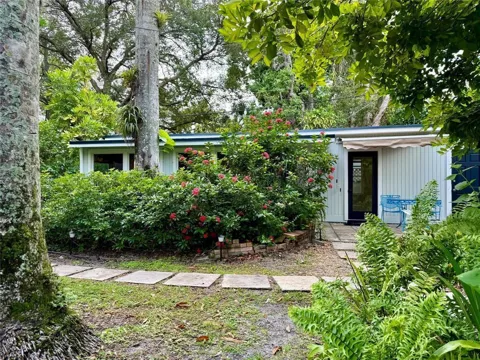
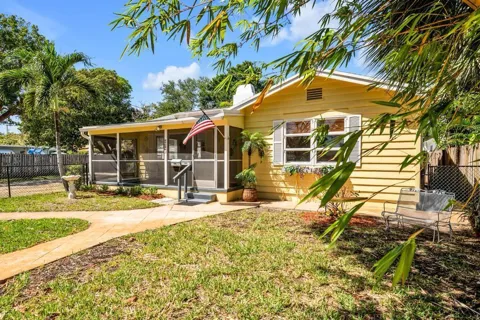
Fort Lauderdale's housing market is defined by water. The city's most desirable neighborhoods are built around canal systems that provide direct boat access to the Intracoastal Waterway and the Atlantic Ocean, and deepwater dockage is a primary driver of value. Single-family homes in communities such as Las Olas Isles, Idlewyld, Harbor Beach, Rio Vista, and the Landings sit on wide, deep canals and often feature private docks capable of accommodating large vessels. Architectural styles range from original mid-century Florida ranch homes to sprawling Mediterranean Revival estates and contemporary new construction. Away from the waterfront, Victoria Park offers a walkable, tree-lined alternative with a mix of historic Florida cottages, newer townhomes, and mid-rise condominiums within walking distance of Las Olas Boulevard and downtown. Coral Ridge, north of the city center, combines mid-century single-family homes with the Coral Ridge Country Club as its social anchor. Colee Hammock and Tarpon River provide smaller-scale historic neighborhoods with more modest price points than the deepwater communities. The downtown core and Flagler Village have seen significant condominium development, with glass-and-steel towers adding a vertical dimension to the housing stock. These units attract professionals and empty-nesters seeking a low-maintenance, walkable lifestyle near restaurants, galleries, and Brightline rail service. Inland neighborhoods like Imperial Point and Lake Ridge offer mid-century single-family homes on larger lots, catering to families who prioritize school access and neighborhood stability over water frontage.
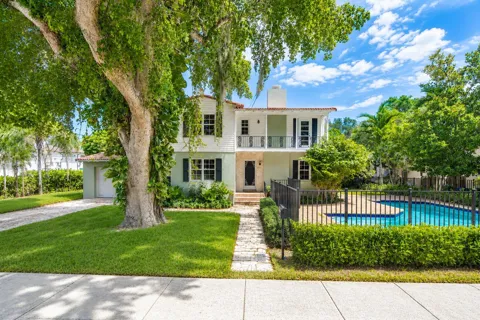
Fort Lauderdale is a city of distinct, self-contained neighborhoods, each shaped by its relationship to water. Las Olas Isles, a collection of man-made islands just south of Las Olas Boulevard, is the city's signature waterfront community. Wide, deep canals lined with luxury estates and mature tropical landscaping define the area, and many homes feature private yacht dockage. The adjoining Idlewyld and Riviera Isles offer similarly exclusive waterfront living on a smaller scale. Rio Vista, one of the city's oldest neighborhoods, sits along the south bank of the New River. Its streets are shaded by massive banyan and oak trees, and its housing stock ranges from preserved 1920s Mediterranean homes to contemporary custom builds. Victoria Park, just north of Las Olas, has emerged as one of the city's most in-demand neighborhoods for buyers seeking walkability. Its grid of streets connects to Holiday Park and Las Olas dining, and its housing mix — historic cottages, modern townhomes, and boutique condominiums — spans a broad range of styles. Coral Ridge, anchored by the Coral Ridge Country Club and its golf course, offers mid-century homes on generous lots with easy beach access via Oakland Park Boulevard. Harbor Beach, east of the Intracoastal, provides a gated enclave with a private beach club and some of the city's largest waterfront estates. Flagler Village, just west of downtown, is the city's arts district and creative hub, with converted warehouses, new apartment buildings, and a growing collection of galleries and craft breweries.
Fort Lauderdale's cultural identity revolves around the water and the street life along Las Olas Boulevard. The city's main commercial and dining thoroughfare, Las Olas runs from the downtown business district east to the beach, lined with sidewalk cafés, art galleries, fashion boutiques, and restaurants that range from long-standing Italian institutions to modern seafood and steak houses. Evening energy concentrates along Las Olas, the Riverwalk, and the growing Flagler Village district, where breweries, wine bars, and converted warehouse spaces have created a more independent, arts-oriented scene. The city's dining landscape reflects its coastal setting and international population. Fresh seafood dominates menus, but the restaurant scene has diversified considerably, with strong Latin American, Mediterranean, and Asian influences. Waterfront dining — whether along the Intracoastal, the New River, or one of the city's canals — is a Fort Lauderdale signature. The arts have a growing institutional presence. The Broward Center for the Performing Arts anchors the Riverwalk and hosts Broadway tours, opera, and ballet. The NSU Art Museum, designed by Edward Larrabee Barnes, holds a significant collection of 20th-century and contemporary art. The Bonnet House Museum and Gardens, a historic estate on a barrier-island parcel between the ocean and the Intracoastal, offers a glimpse of old Florida amid tropical gardens. On weekends, the rhythm shifts outdoors — boating, paddleboarding, beachgoing, and cycling along A1A are the dominant pursuits for residents across the city.
Fort Lauderdale is served by Broward County Public Schools, the sixth-largest school district in the United States, educating more than 250,000 students across over 320 schools. Within the city limits, public elementary schools such as Bayview Elementary and Harbordale Elementary are consistently well-regarded, while Fort Lauderdale High School and Stranahan High School serve the city's secondary students. The district operates an extensive magnet and choice program, including the highly competitive Nova schools in nearby Davie, offering specialized curricula in areas including STEM, performing arts, and International Baccalaureate. Private education is a significant presence in Fort Lauderdale. St. Thomas Aquinas High School, one of the largest Catholic high schools in the country, draws students from across Broward County. Pine Crest School, with a campus in the city, is among Florida's most prestigious college-preparatory independent schools. Additional private options include Westminster Academy, Cardinal Gibbons High School, and numerous Montessori and faith-based elementary programs. For higher education, Nova Southeastern University's main campus lies just west of the city in Davie, and Broward College offers associate and bachelor's degree programs at multiple campuses across the county. Families considering Fort Lauderdale should review specific school boundaries and magnet application timelines, as assignment options depend on home address and program availability.
Fort Lauderdale sits at the intersection of several major transportation corridors. Interstate 95 runs north-south through the city, providing the primary route to Miami (roughly 30 to 45 minutes south) and West Palm Beach (45 to 60 minutes north). Florida's Turnpike parallels I-95 a few miles west, offering a tolled alternative for longer trips. Interstate 595 connects the city westward to Weston, the Sawgrass Expressway, and western Broward County. Fort Lauderdale–Hollywood International Airport, located just south of downtown, serves as a major gateway to the Caribbean, Latin America, and the northeastern United States. It is a hub for Spirit Airlines and a significant operation for JetBlue and Southwest. Port Everglades, one of the busiest cruise ports in the world, sits adjacent to the airport and handles millions of cruise passengers annually alongside substantial cargo traffic. Brightline, the privately operated higher-speed rail service, connects Fort Lauderdale's downtown station to Miami and Brickell in about 35 minutes, and to West Palm Beach in roughly the same time northbound. Tri-Rail, the public commuter rail, provides a lower-cost alternative linking Fort Lauderdale to Miami, West Palm Beach, and points in between. Within the city, Broward County Transit operates bus routes, and the Sun Trolley provides free circulator service linking downtown, the beach, and Las Olas Boulevard. The city has invested in improved bicycle infrastructure, particularly along A1A and downtown, though most residents still depend on personal vehicles for daily mobility.
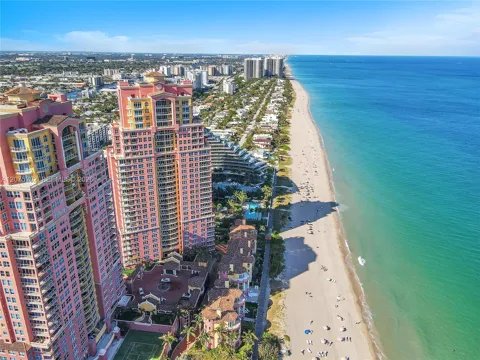
Fort Lauderdale's recreational life is anchored by its beaches and waterways. The city maintains seven miles of public beachfront along A1A, with Fort Lauderdale Beach Park offering volleyball courts, a boat ramp, and picnic facilities. Hugh Taylor Birch State Park, a 180-acre tropical oasis between the Intracoastal Waterway and the ocean, provides hiking trails, a freshwater lagoon for canoeing and kayaking, and shaded picnic areas beneath a canopy of live oaks and sabal palms. The Riverwalk, a linear park along the north and south banks of the New River in downtown, connects plazas, public art, and cultural venues including the Broward Center for the Performing Arts and the Museum of Discovery and Science. It serves as the city's central gathering space and hosts jazz brunches, food festivals, and seasonal events. For boaters, options are nearly limitless. The Intracoastal Waterway provides protected cruising, and the canal network gives thousands of residents the ability to dock a vessel steps from their back door. Charter fishing, sailing, and dive trips depart regularly from marinas along the New River and Intracoastal. The Anne Kolb Nature Center in nearby Hollywood preserves 1,500 acres of coastal mangrove wetlands with an observation tower and paddling trails. Golfers can access the city's two municipal courses, while private clubs like Coral Ridge Country Club serve the membership crowd. The annual Fort Lauderdale International Boat Show, one of the largest in-water boat shows in the world, draws the global marine industry to the city each year.
MARKET SNAPSHOT
How homes have been selling here over the last 90 days.
Market data reflects closed sales over the last 90 days and is provided for informational purposes.
EXPLORE COMMUNITIES
Browse the neighborhoods and subdivisions in this area.
BROWSE BY ZIP
Browse listings by postal code in this area.