Broward County Beach Diving Town
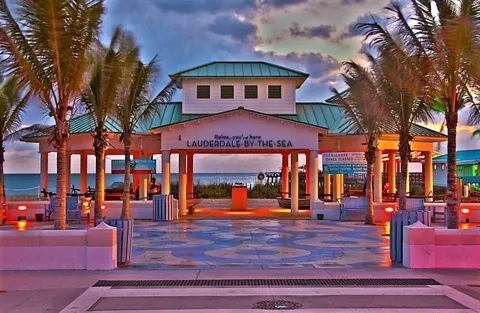
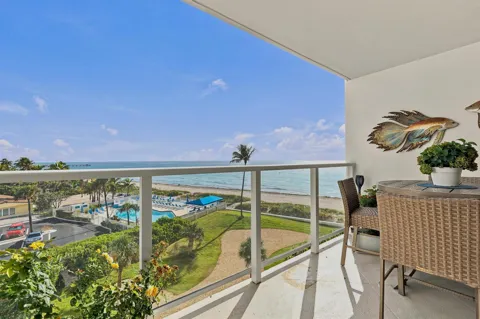
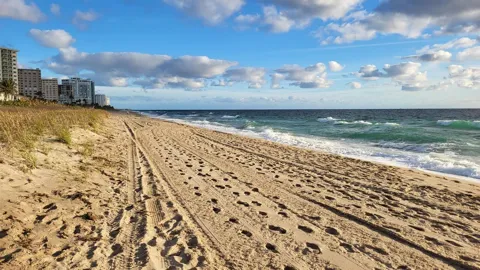
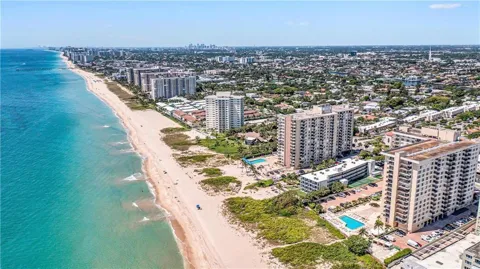
Welcome to Lauderdale-by-the-Sea, a small Broward County beach town between Fort Lauderdale and Pompano Beach, known for its walkable shoreline, Anglins Fishing Pier, and shore-accessible coral reefs.
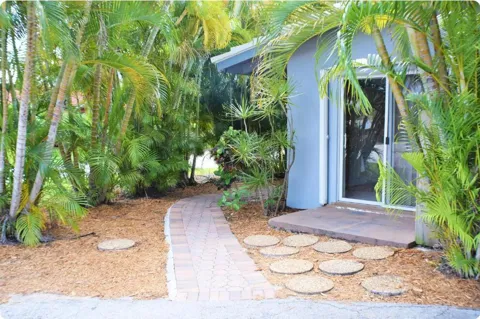
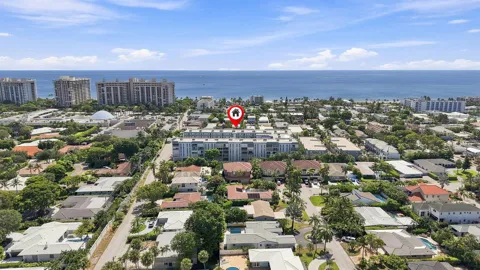
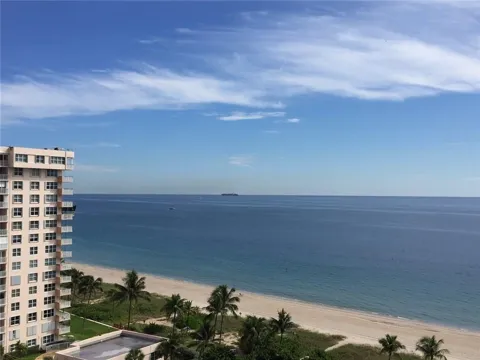
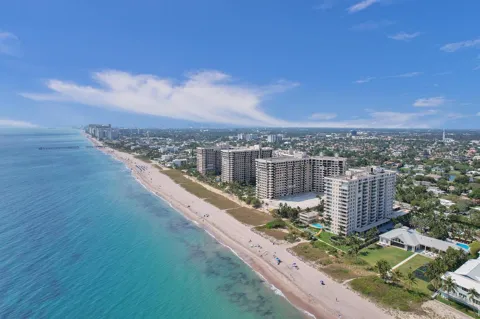
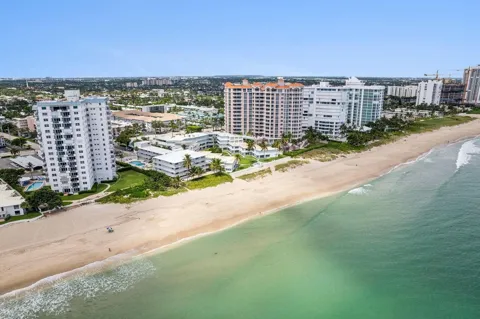
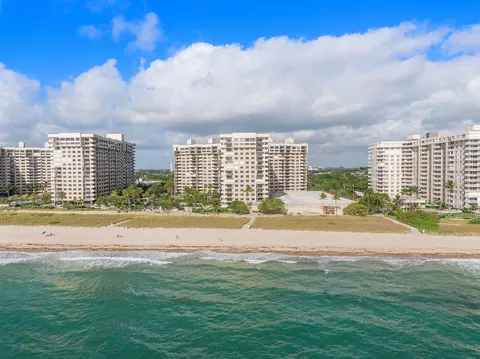
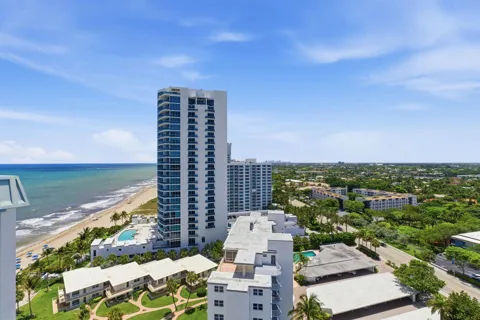
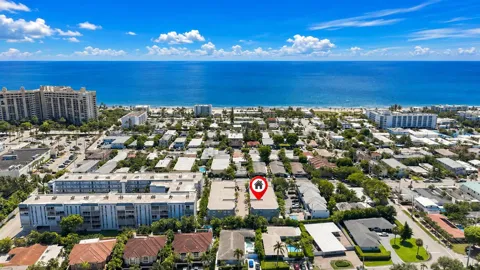
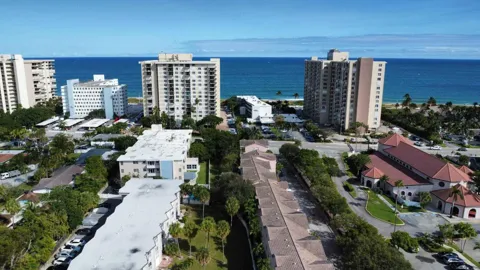
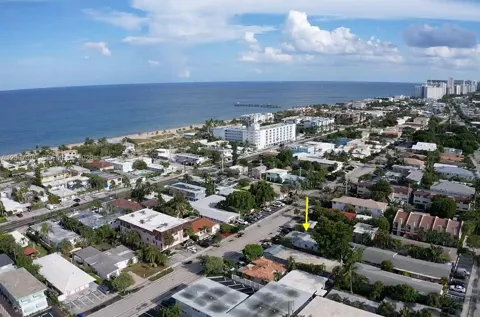
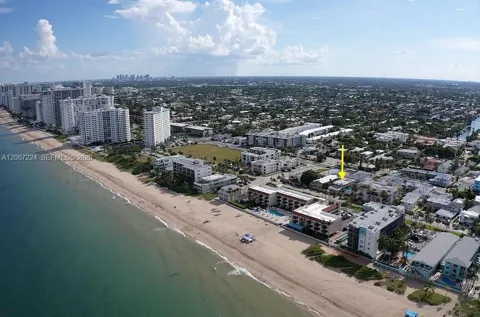
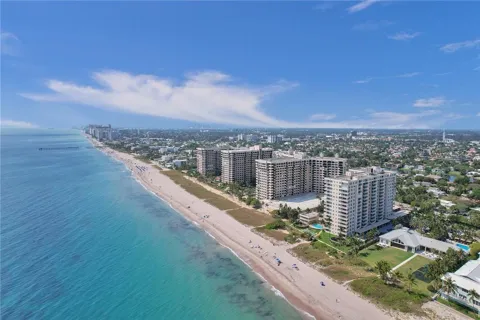
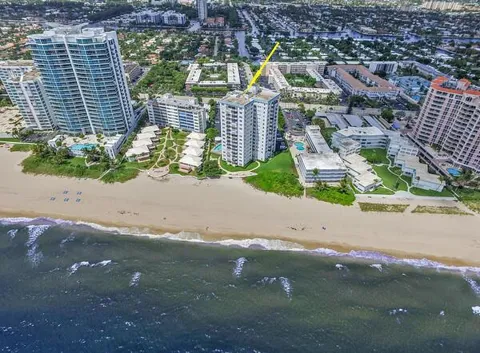
Lauderdale-by-the-Sea is a small town in Broward County, Florida, situated on a narrow barrier-island strip between the Atlantic Ocean and the Intracoastal Waterway, directly between Fort Lauderdale and Pompano Beach. It lies about 30 miles north of Miami and 33 miles south of Palm Beach, placing it in the heart of South Florida's coastal corridor. The town has roughly 6,000 permanent residents, a figure that more than doubles during the winter season as seasonal residents and visitors arrive. The community's history is tied to its beachfront. Pioneer Melvin Anglin built Anglin's Fishing Pier in 1941 to draw visitors to the small town, and the pier remains the community's defining landmark. The town developed through the mid-twentieth century with the low-rise motels and oceanfront properties that still characterize its shoreline, many now reborn as boutique hotels and residences. A 2013 streetscape project revitalized Commercial Boulevard, reinforcing the town's walkable, pedestrian-friendly center. Lauderdale-by-the-Sea is widely known as Florida's Beach Diving Capital. A three-tiered natural coral reef system begins just about 100 yards offshore, close enough that snorkelers and divers can swim directly from the beach — a rarity among South Florida communities. This shore-accessible reef, along with the town's compact scale and two-coast layout, defines its identity. Public school students attend Broward County Public Schools, with access to the Pompano Beach magnet program. For those considering a move to the Fort Lauderdale area, Lauderdale-by-the-Sea offers an intimate, low-rise beach-town alternative: walkable streets, direct reef access, and a strong sense of place, with the larger urban amenities of the region just minutes away.
Lauderdale-by-the-Sea is a town in Broward County, Florida, located on the Atlantic Ocean between Fort Lauderdale and Pompano Beach. It sits about 30 miles north of Miami and 33 miles south of Palm Beach.
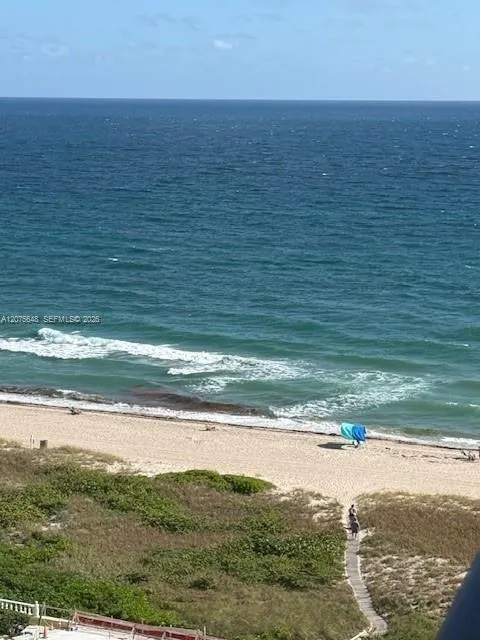
Lauderdale-by-the-Sea is known as Florida's Beach Diving Capital because a three-tiered natural coral reef system begins just about 100 yards from shore, allowing snorkelers and divers to swim out directly from the beach.
Anglins Fishing Pier is the town's landmark oceanfront pier, built in 1941 by pioneer Melvin Anglin to attract visitors. It anchors the beachfront and the nearby Anglin's Square shopping and dining area.
Lauderdale-by-the-Sea is served by Broward County Public Schools, the countywide school district for Broward County. The community is also within the service area of the Pompano Beach magnet school program.
The town lies about 30 miles north of Miami and 33 miles south of Palm Beach, positioned directly between Fort Lauderdale and Pompano Beach along the State Road A1A oceanfront corridor.
City Guide
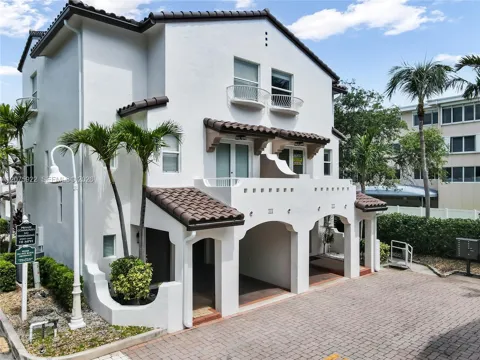
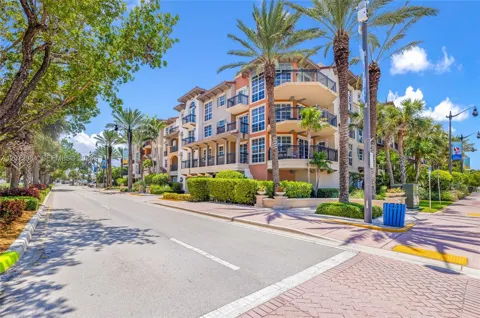
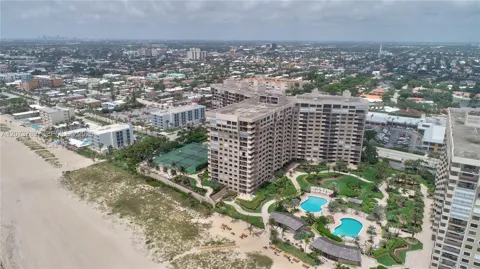
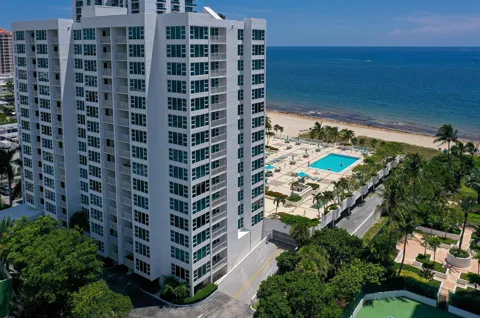
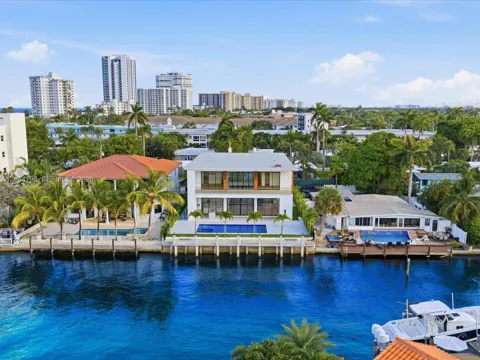
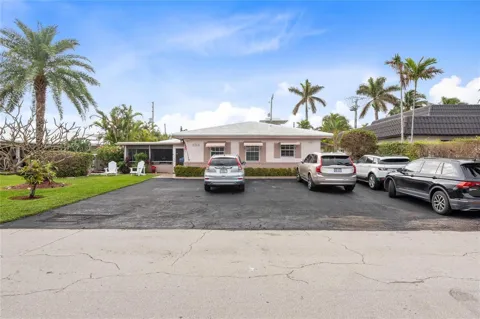
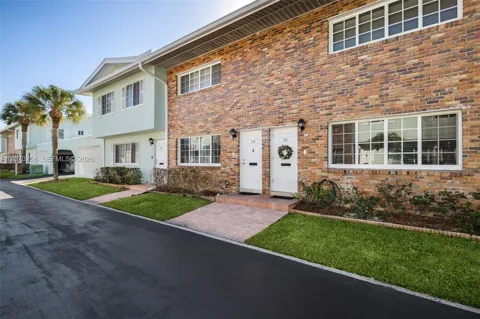
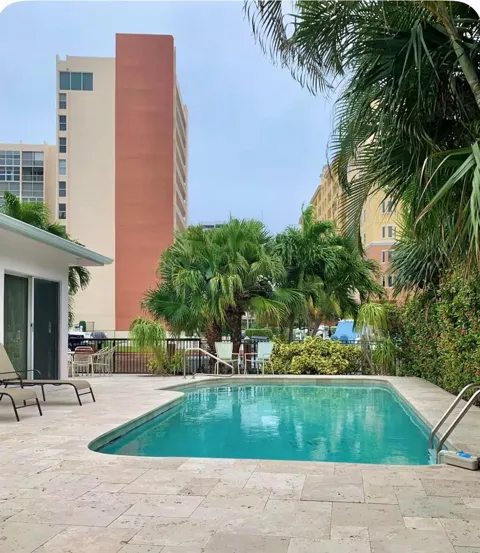
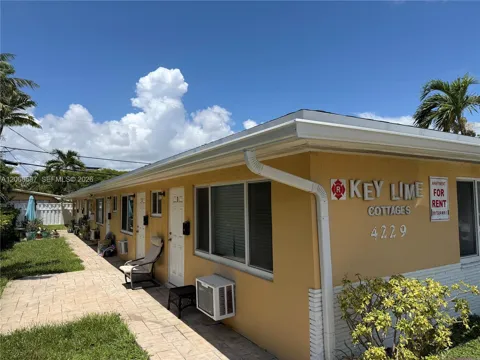
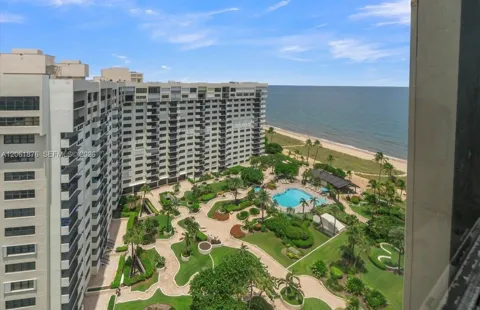
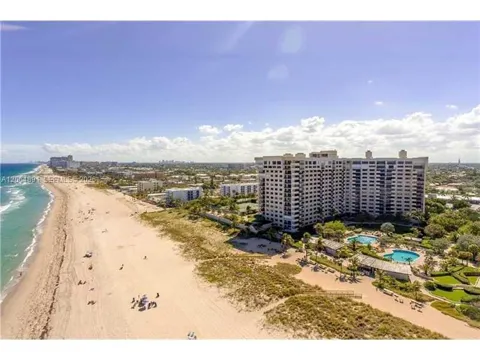
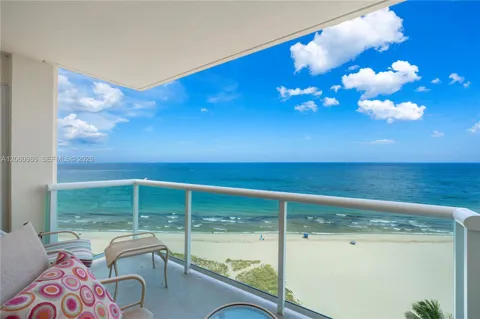
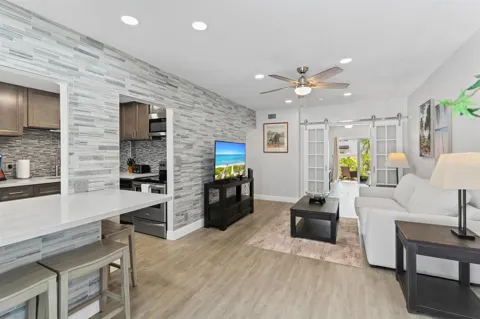
Lauderdale-by-the-Sea's housing market is shaped by its compact, two-coast footprint. The town spans roughly 1.6 square miles between the Atlantic Ocean and the Intracoastal Waterway, and its stock includes oceanfront and Intracoastal condominiums, single-family homes, and a notable collection of mid-century motels that have been converted into boutique hotels and residences. The neighborhoods of Bel Air and Terra Mar Island add waterfront residential character on the Intracoastal side. Demand is driven by the town's walkability, beach access, and shore-diving reefs, and the market carries a strong seasonal and second-home component. Compared with larger Broward coastal cities, Lauderdale-by-the-Sea offers a more intimate, human-scale alternative, with low-rise development predominating along the beach. Buyers typically weigh oceanfront versus Intracoastal positioning, building age and association fees, and whether a property suits year-round living or seasonal use.
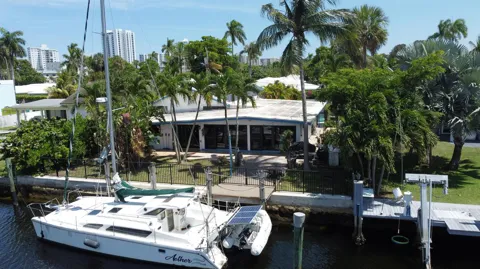
Lauderdale-by-the-Sea is small enough that its neighborhoods read as distinct pockets rather than sprawling districts. Bel Air and Terra Mar Island are established residential areas on the Intracoastal Waterway side of town, offering waterfront homes and canal-front lots that appeal to boaters. The beachfront corridor along State Road A1A and El Prado Park holds the town's low-rise condominiums and converted motels, steps from the sand. Commercial Boulevard is the unifying spine, running east-west between the ocean and the Intracoastal and carrying the town's shops and restaurants. Anglin's Square, near the pier at the east end of Commercial Boulevard, functions as the beachfront civic center. Because the town's entire footprint is under two square miles, most residents are within walking or bicycling distance of both the beach and the Intracoastal, giving even inland properties unusually good water access compared with larger coastal municipalities.
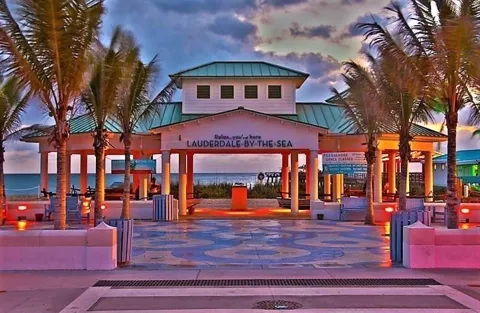
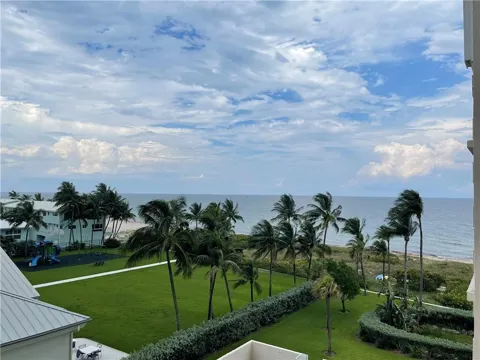
Lauderdale-by-the-Sea lives up to its reputation as a barefoot, flip-flop-friendly beach town. Daily life centers on the oceanfront and Commercial Boulevard, the town's main street, which runs between the Atlantic Ocean and the Intracoastal Waterway and is lined with locally owned boutiques, ice cream shops, bakeries, and casual restaurants. Anglin's Square, near the pier, provides a relaxed gathering point with Adirondack chairs and ocean views. The town's small size and walkable layout encourage a low-key, pedestrian-oriented rhythm, and its seasonal population — which swells to more than 10,000 in winter as snowbirds arrive — adds an easygoing, resort-like energy. Residents value the ability to swim or snorkel out to the reef directly from the beach, and the community's mid-century motels turned boutique hotels reinforce its classic Old Florida-meets-coastal character. Larger amenities and nightlife are minutes away in Fort Lauderdale and Pompano Beach.
Students in Lauderdale-by-the-Sea attend Broward County Public Schools, the sixth-largest school district in the nation, which serves the entire county. The town's zoned schools are part of this countywide system, and the community is also within the service area of the Pompano Beach magnet school program, giving families additional educational choices beyond their assigned campuses. Because Lauderdale-by-the-Sea is a small town with a significant seasonal population, the year-round school-age population is modest, and families often weigh school choice, magnet programs, and private options across the broader Fort Lauderdale and Pompano Beach area. The countywide district provides extensive academic, arts, and career programs, and households relocating to the town typically evaluate both their zoned schools and available choice options when planning a move.
Lauderdale-by-the-Sea sits along State Road A1A, the oceanfront highway that runs the length of Broward County's coast, connecting the town to Fort Lauderdale to the south and Pompano Beach to the north. Commercial Boulevard is the town's main east-west artery, linking the beach to the Intracoastal and extending inland to Interstate 95 and Florida's Turnpike for regional travel. Fort Lauderdale-Hollywood International Airport lies a short drive south, and the town is about 30 miles north of Miami. The town itself is highly walkable, with a compact layout that puts most homes within easy walking distance of the beach, restaurants, and shops, and many residents use bicycles or golf carts for short trips. For commuting and longer errands, driving predominates, and the town's position between two major coastal cities means employment, entertainment, and services are all within a brief car ride along A1A or the inland highways.
Lauderdale-by-the-Sea's recreation is defined by the ocean and its accessible reef system. The town's three-tiered coral reef begins about 100 yards from shore, making it one of the few places in Florida where snorkelers and scuba divers can swim out directly from the beach rather than requiring a boat. Anglin's Fishing Pier remains a popular spot for fishing, sunset views, and people-watching, and the adjacent Anglin's Square provides beachfront seating and gathering space. El Prado Park, a linear oceanfront green space, offers lawns, benches, and shaded areas along the beach, while the Intracoastal Waterway on the town's west side supports boating, paddleboarding, and kayaking. The walkable streetscape along Commercial Boulevard encourages strolling between shops, restaurants, and the shore. For larger parks, golf, and cultural attractions, residents can reach Fort Lauderdale and Pompano Beach within minutes, but the town's own recreation remains centered on the beach, the reef, and the water on both sides of the barrier island.
MARKET SNAPSHOT
How homes have been selling here over the last 90 days.
Market data reflects closed sales over the last 90 days and is provided for informational purposes.
EXPLORE COMMUNITIES
Browse the neighborhoods and subdivisions in this area.
BROWSE BY ZIP
Browse listings by postal code in this area.