Miami's Oldest Waterfront Neighborhood
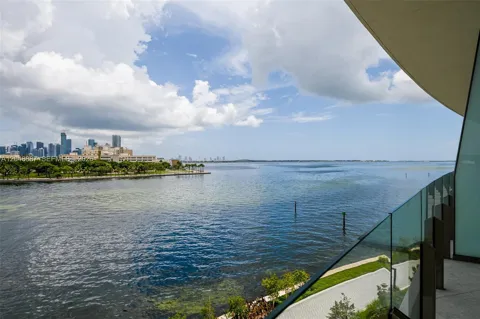
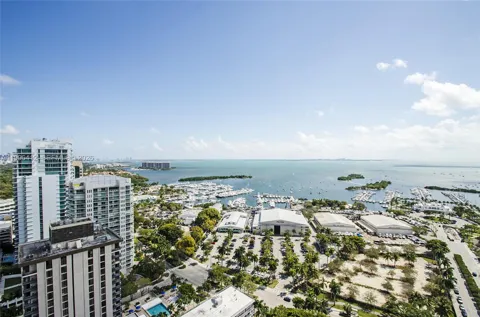
Welcome to Coconut Grove, Miami's oldest continuously inhabited neighborhood, set along Biscayne Bay and known for its lush tree canopy, Bahamian roots, and a distinctly artistic, small-town spirit within the city.

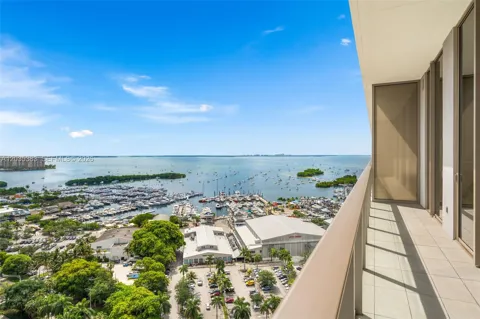
Coconut Grove is Miami's oldest continuously inhabited neighborhood, occupying a stretch of Biscayne Bay shoreline in southern Miami-Dade County roughly bounded by South Dixie Highway (US 1) and LeJeune Road, with the Rickenbacker Causeway carrying traffic across the bay to Key Biscayne. Settlers clustered near the Cape Florida Lighthouse as early as the 1820s, and the neighborhood's modern identity was shaped in large part by Bahamian immigrants who arrived in the late 1800s — a heritage now recognized in the area's "Little Bahamas" designation. The railroad's arrival at the turn of the 20th century turned the Grove into an important farming and shipping point before it was absorbed into the growing city of Miami. The Grove has long balanced two identities: a working waterfront community and a leafy, artistic enclave. Its tree-lined streets, historic cottages, and bayside parks set it apart from Miami's denser urban core, while CocoWalk and the surrounding Center Grove provide a compact dining and retail hub. Institutions such as Vizcaya Museum and Gardens and The Kampong reflect an early-20th-century era of grand estates, and the Barnacle Historic State Park preserves the neighborhood's pioneer past. Today Coconut Grove attracts a mix of longtime residents, families drawn to its schools, and professionals who value the Metrorail connection and proximity to downtown Miami, Brickell, and Coral Gables. The waterfront includes gated communities such as The Moorings, The Cloisters, Grovenor House, and Grove Isle, while inland blocks hold early-20th-century cottages, mid-century homes, and newer condominium buildings. Through its growth, the Grove has retained a slower, greener, distinctly neighborhood-oriented character that sets it apart from much of the rest of Miami.
Coconut Grove is not an incorporated city; it is a neighborhood within the city of Miami in Miami-Dade County, Florida. It is the oldest continuously inhabited neighborhood in Miami, settled along Biscayne Bay, and is often referred to simply as "the Grove."
Coconut Grove is in Miami-Dade County, Florida, within the city of Miami. The neighborhood sits on the western shore of Biscayne Bay in the southern part of the county, between Coral Gables to the west and Key Biscayne across the water.
Coconut Grove is known for its Bahamian heritage, lush tree canopy, and bayside setting. Landmarks include Vizcaya Museum and Gardens, The Kampong National Tropical Botanical Garden, and the Barnacle Historic State Park, along with the CocoWalk dining and retail center.
Coconut Grove is roughly five miles south of downtown Miami. It is directly connected by Metrorail's Coconut Grove station on the Green Line, which also serves Brickell and other central Miami destinations, making the commute straightforward even without a car.
Public school students attend Miami-Dade County Public Schools. The neighborhood is also home to established independent schools such as Ransom Everglades School and Carrollton School of the Sacred Heart, with additional private options nearby in Coral Gables.
City Guide
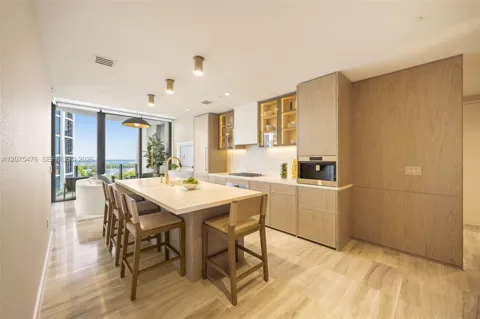
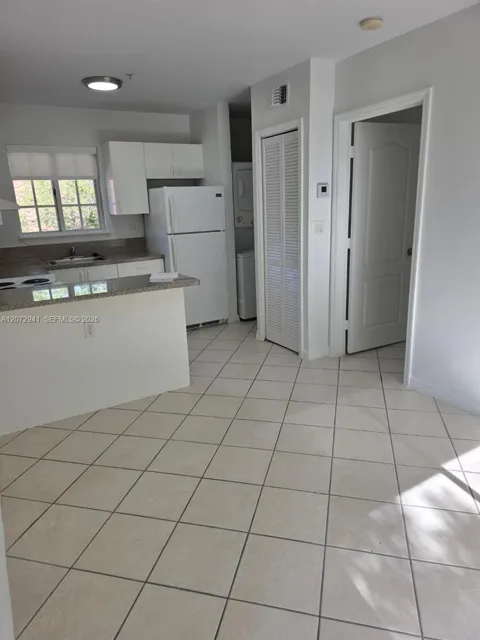
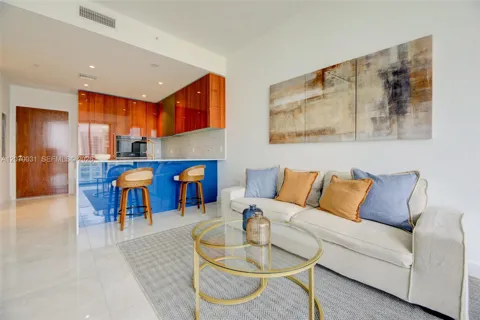
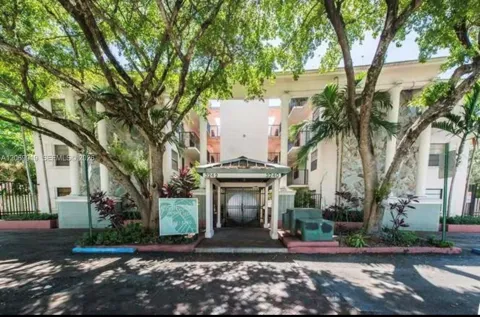
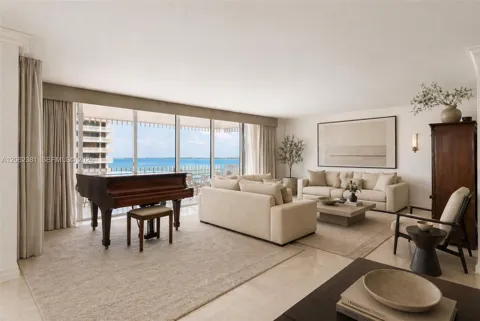
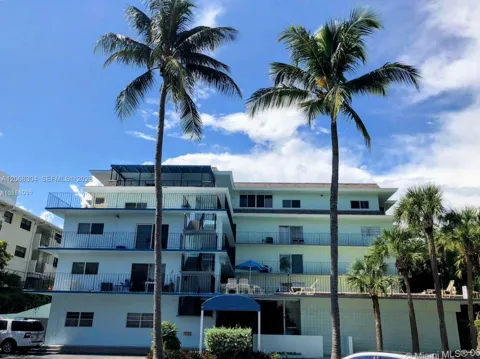
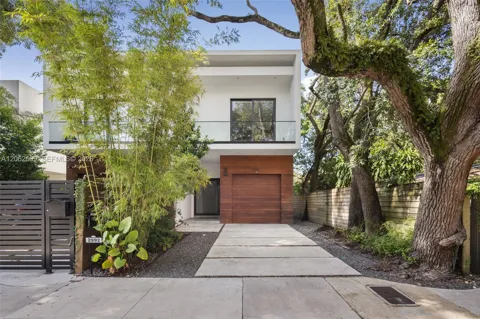
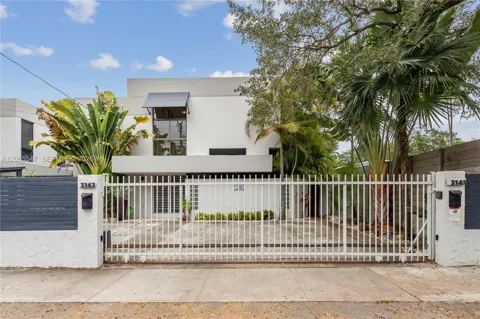
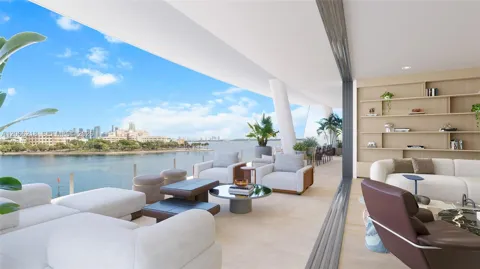
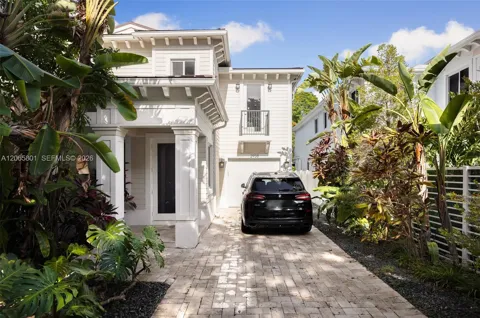
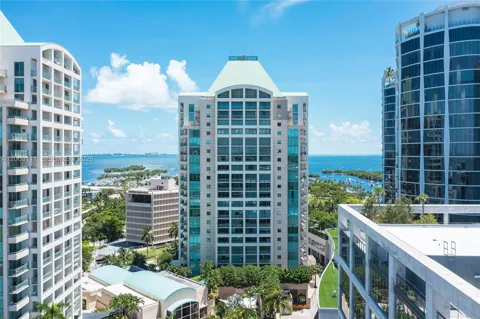
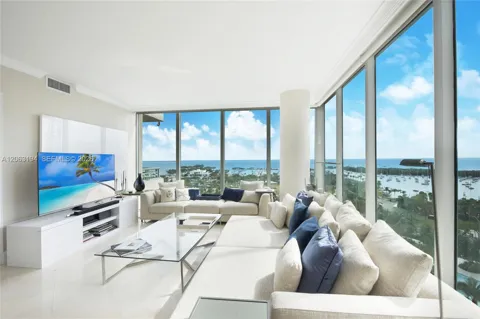
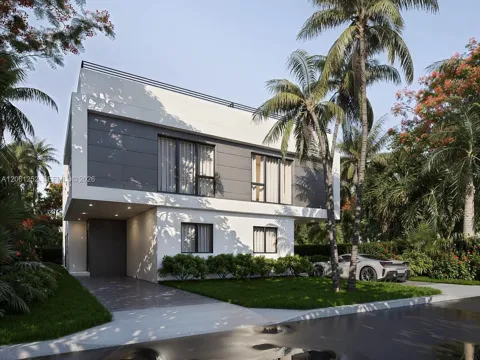
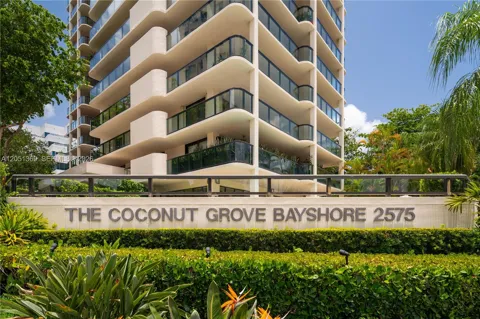
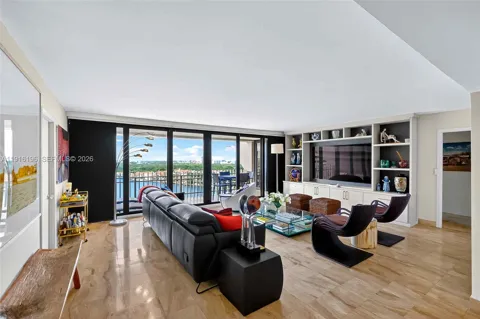
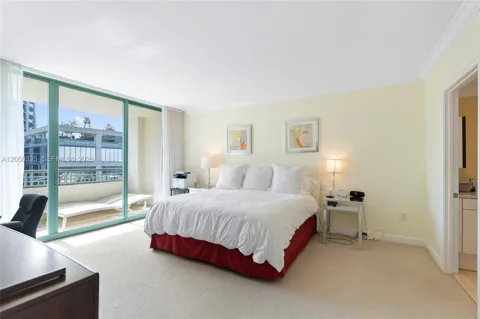
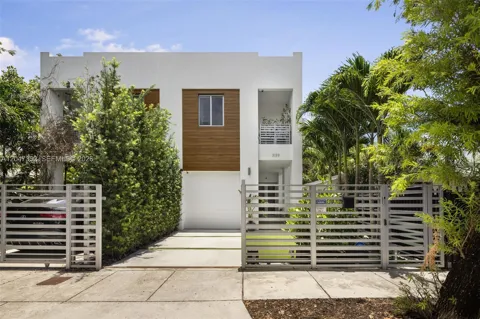
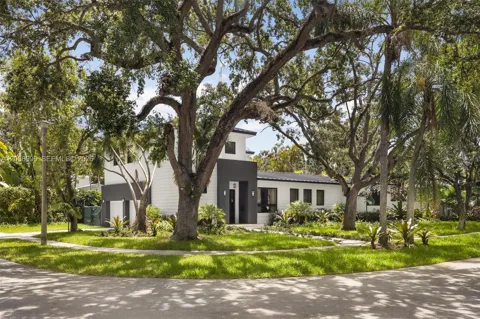
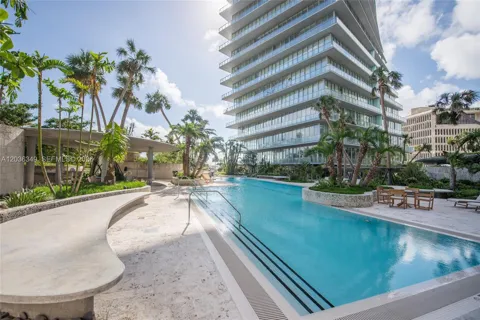
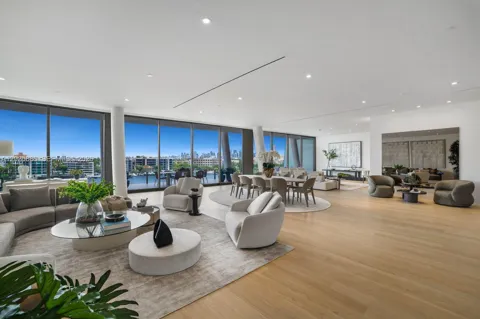
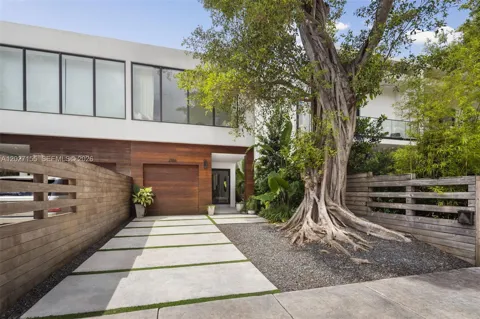
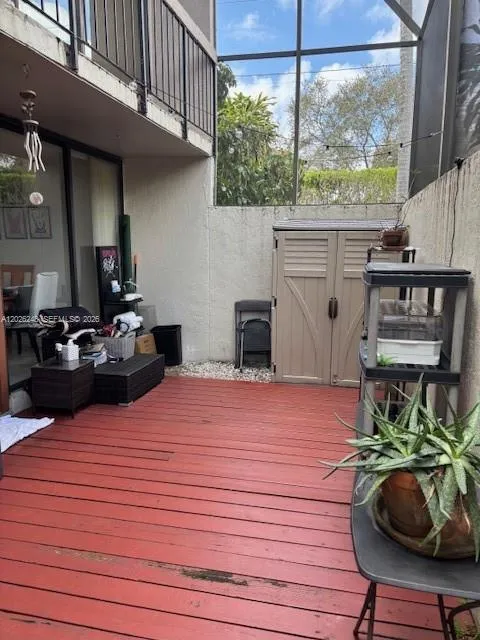
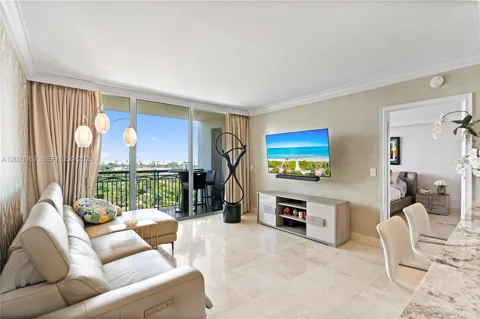
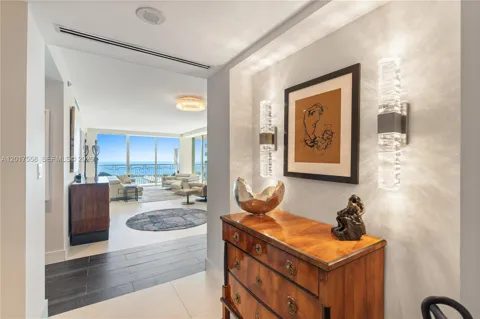
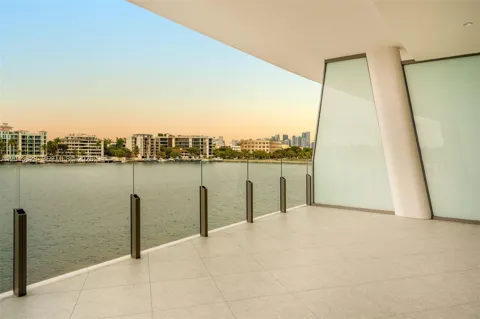
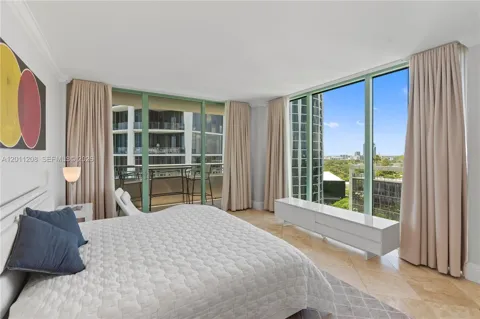
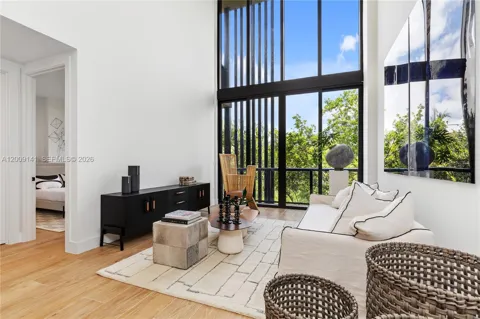
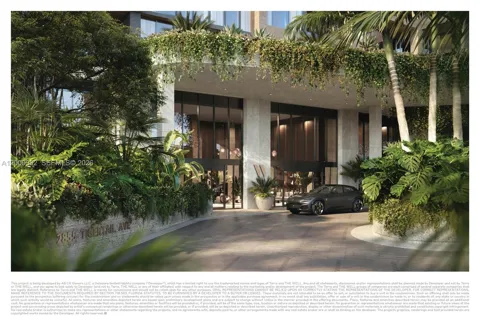
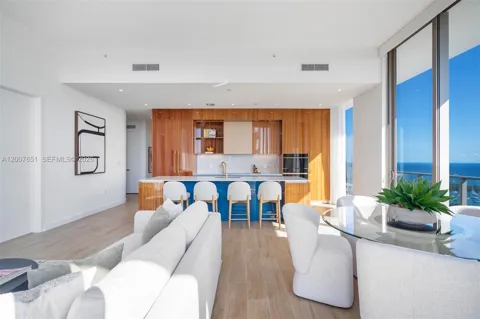
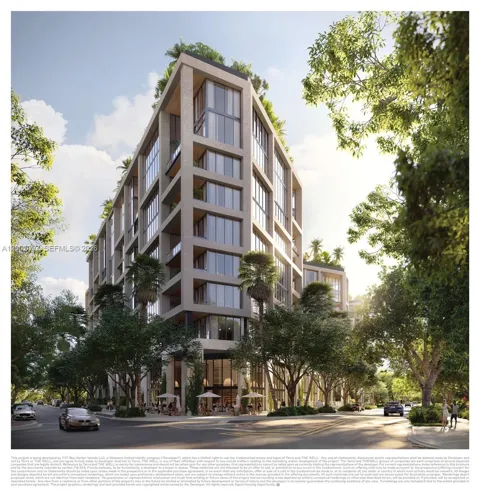
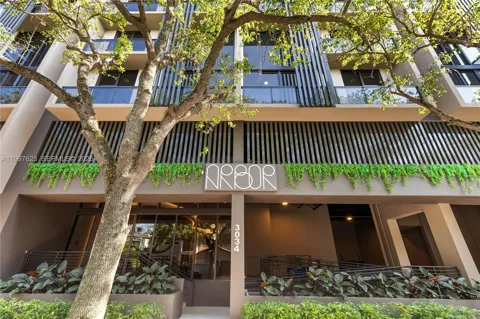
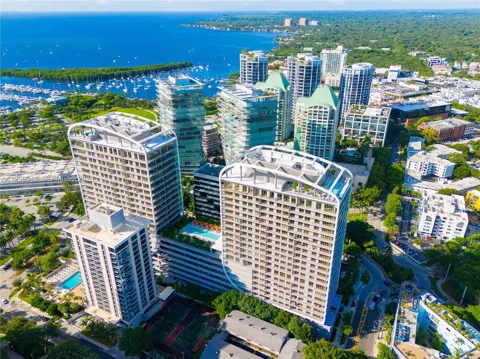
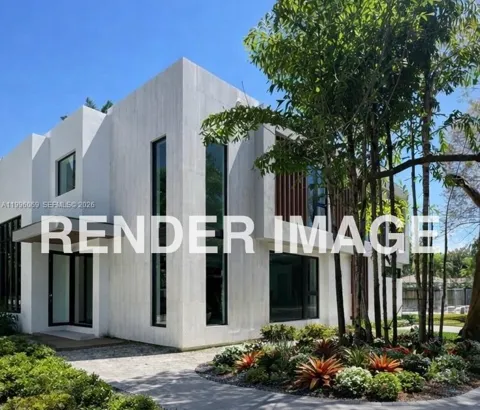
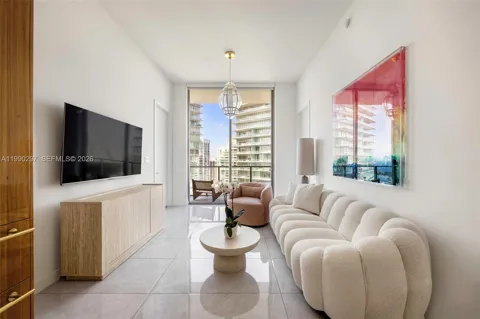
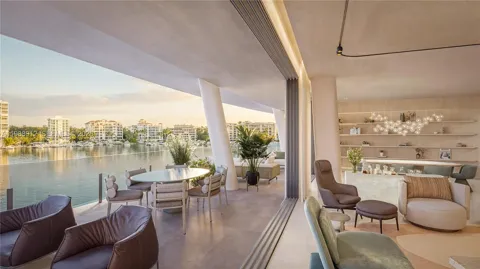
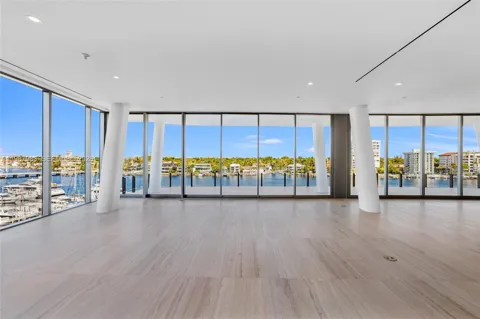
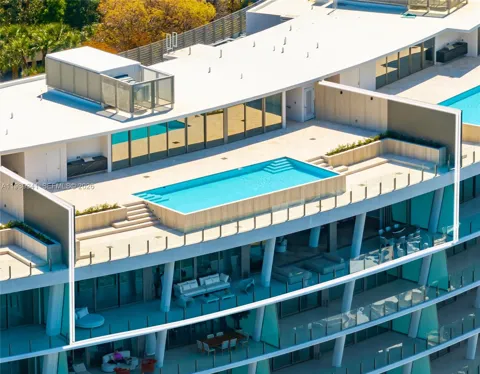
Coconut Grove's housing stock spans more than a century of building. Historic western and waterfront blocks hold early-20th-century wood-frame and Mediterranean-style cottages alongside a handful of grand estate properties, while the bayfront includes gated communities such as The Moorings, The Cloisters, Grovenor House, and Grove Isle, known for deep-water access and a mix of villas and towers. Inland, mid-century single-family homes and newer condominium buildings cluster near the Center Grove and CocoWalk, and recent mixed-use development along the Metrorail corridor has added multifamily and workforce housing. The result is a neighborhood where a restored 1920s bungalow can sit a few blocks from a modern waterfront tower, giving buyers a broad range of architectural styles rather than a single uniform look.
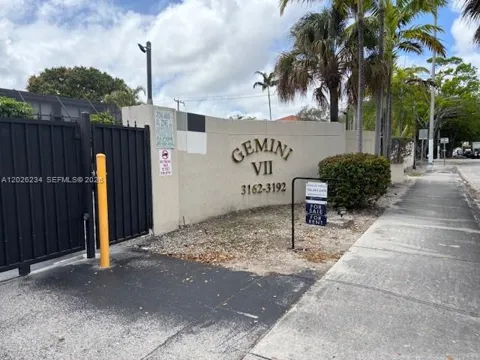
Several smaller enclaves give Coconut Grove its texture. The Center Grove around CocoWalk and Grand Avenue forms the commercial and social heart. The gated waterfront communities — The Moorings, The Cloisters, Grovenor House, and Grove Isle — offer private, often deep-water settings along Biscayne Bay. Inland streets near Peacock Park hold many of the neighborhood's older cottages, while the North Grove and areas toward US 1 mix established homes with newer low-rise construction. West Grove, recognized as "Little Bahamas," retains the strongest connection to the neighborhood's Bahamian heritage.
Coconut Grove's lifestyle revolves around its bayside setting and walkable village core. CocoWalk and the surrounding streets concentrate cafés, restaurants, and shops beneath a dense tree canopy, while the waterfront draws sailors, paddlers, and runners to its parks and marinas. The neighborhood hosts arts festivals and maintains a lively gallery and dining scene, and institutions such as Vizcaya and The Kampong give residents lasting cultural anchors. The pace is noticeably slower and greener than much of Miami, making the Grove popular with families and long-time locals who value a neighborhood feel within a major city.
Public school students in Coconut Grove are served by Miami-Dade County Public Schools, with elementary and secondary campuses in and around the neighborhood. The Grove is also home to some of Miami's most established independent schools, including Ransom Everglades School and Carrollton School of the Sacred Heart, with additional private options nearby in Coral Gables and the broader Miami area. The University of Miami's Coral Gables campus sits just west of the neighborhood, adding to the area's academic character.
Coconut Grove is connected to greater Miami by Metrorail's Coconut Grove station on the Green Line, linking residents to downtown Miami, Brickell, and beyond. South Dixie Highway (US 1) and LeJeune Road provide the primary road corridors, while the Rickenbacker Causeway carries traffic across the bay to Key Biscayne and its beaches. The neighborhood is a short drive from Miami International Airport and from the Coral Gables and Brickell employment centers.
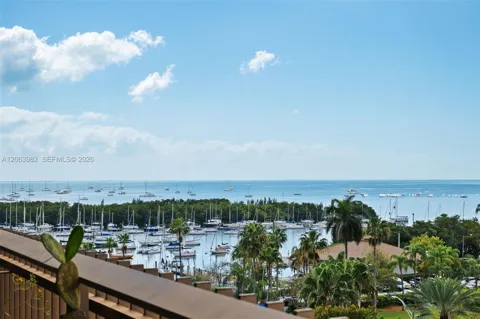
Recreation in the Grove is anchored by Biscayne Bay and a string of historic and natural landmarks. The Barnacle Historic State Park preserves one of Miami-Dade's oldest houses and offers a shaded waterfront for picnics and sailing programs, while Vizcaya Museum and Gardens and The Kampong National Tropical Botanical Garden provide expansive gardens along the bay. Peacock Park and David T. Kennedy Park serve the neighborhood's sports fields, playgrounds, and waterfront paths, and boating, kayaking, and sailing remain central to life on the water.
MARKET SNAPSHOT
How homes have been selling here over the last 90 days.
Market data reflects closed sales over the last 90 days and is provided for informational purposes.
BROWSE BY ZIP
Browse listings by postal code in this area.