Cuban-American Heart of Miami-Dade
Welcome to Hialeah, a dense Miami-Dade city that is one of Florida's largest, known for its Cuban-American culture, Hialeah Park, and direct Metrorail access to Miami.
Hialeah is a city in Miami-Dade County, Florida, located immediately northwest of Miami and adjoining Miami International Airport and the city of Miami Springs. With a 2020 census population of 223,109, it is the sixth-largest city in Florida and the second-largest in Miami-Dade County. Hialeah is also one of the most densely populated cities in the state, a largely built-out urban community of compact single-family neighborhoods, apartment buildings, and commercial corridors that developed rapidly through the mid-20th century. The city's defining characteristic is its Cuban-American identity. Hialeah has one of the highest concentrations of Cuban Americans of any city in the United States, a heritage reflected in its Spanish-language culture, its restaurants and cafeterias, and its civic life. The Cuban Culture in Exile Heritage Park—known locally as Monument Park—honors Cuban exiles and features monuments to prominent figures such as singers Olga Guillot and Celia Cruz, commemorating the community's history and contributions. Hialeah Park is the city's most storied landmark. Opened in 1925 and nicknamed "The Grand Dame," the racetrack was a celebrated venue for thoroughbred horse racing through much of the 20th century, drawing national attention and generations of visitors before later operating as a casino and event space. The park remains a symbol of the city's distinctive past. Hialeah's economy and daily life are closely tied to the wider Miami region. The city is a center of light manufacturing, retail, and small business, with dense commercial strips serving its large population. Metrorail runs through the city with multiple stations, Tri-Rail provides regional commuter rail with a Hialeah-area transfer station, and the Palmetto Expressway and other highways connect residents to Miami, the airport, and the broader South Florida economy. Miami-Dade County Public Schools serves the city, which functions as a vital, working-class urban core within one of the country's most dynamic metropolitan areas.
Hialeah is in Miami-Dade County, Florida, located immediately northwest of Miami and adjacent to Miami International Airport. It is the sixth-largest city in Florida and the second-largest in Miami-Dade County, with a population of about 223,000.
Hialeah is known for its deep Cuban-American culture, reflected in its Spanish-speaking community, restaurants, and the Cuban Culture in Exile Heritage Park. The city is also known for Hialeah Park, a historic racetrack that opened in 1925 and is nicknamed 'The Grand Dame,' and for being one of Florida's most densely populated cities.
Hialeah is served by Miami-Dade County Public Schools, the largest school district in Florida. Schools include Hialeah Senior High and Barbara Goleman Senior High, along with many elementary, middle, and K-8 centers, plus magnet and choice programs. Families should verify the specific schools assigned to an address.
Yes. Metrorail, Miami-Dade's elevated rapid transit, runs through Hialeah with multiple stations, and Tri-Rail commuter rail has a Hialeah-area transfer station for regional service. The Hialeah Transit System and Metrobus provide local bus service, and Miami International Airport lies just south of the city.
Hialeah is one of the most densely populated cities in Florida, with compact single-family neighborhoods, apartments, and commercial corridors built out over a relatively small area. This density gives the city an urban, walkable character with services, schools, and transit close at hand, distinct from the sprawling suburbs elsewhere in Miami-Dade County.
City Guide
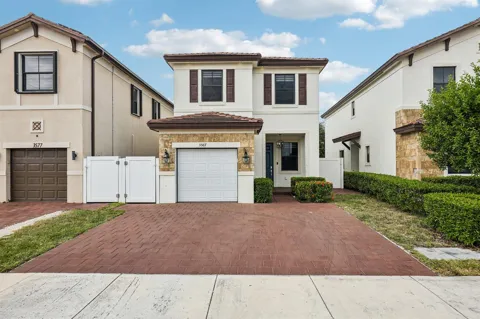
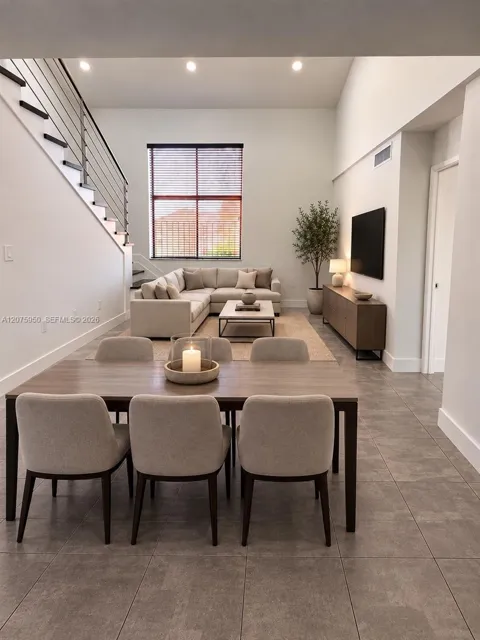
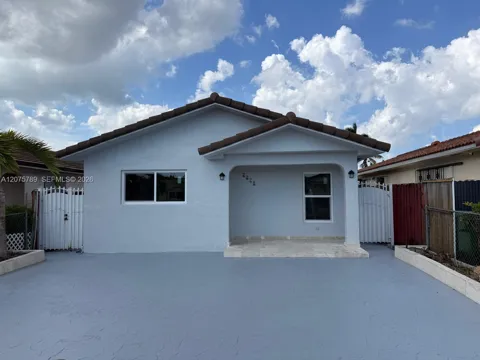
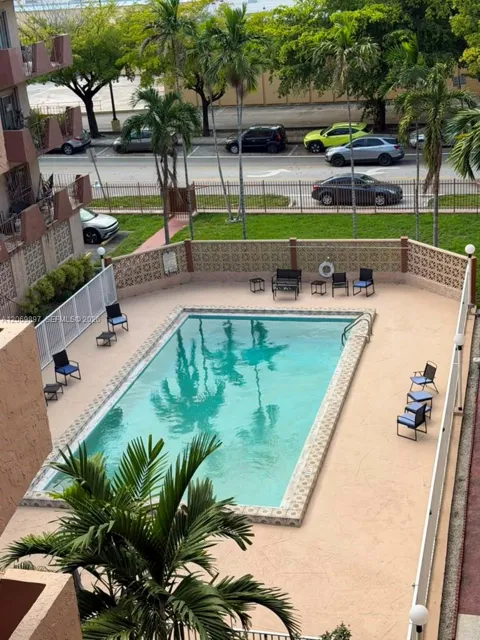
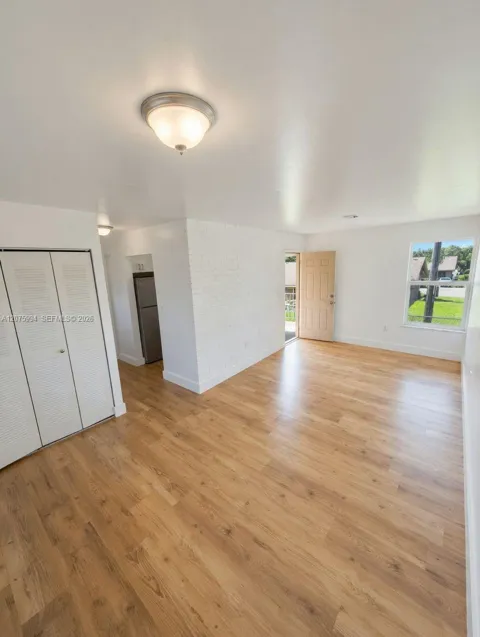
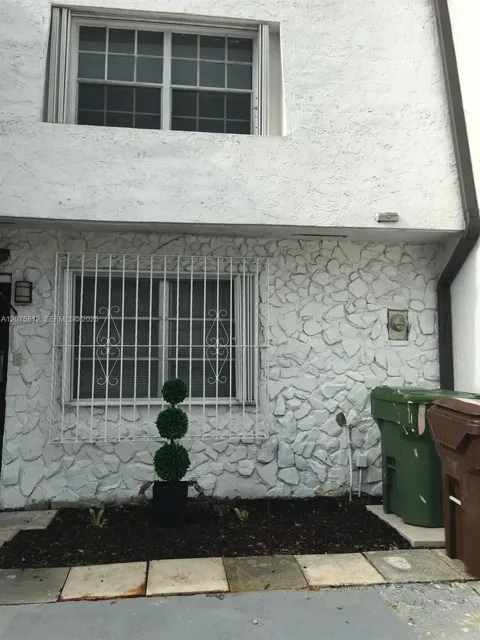
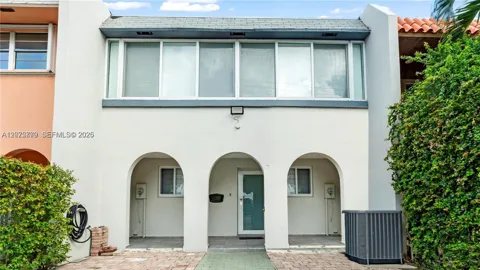
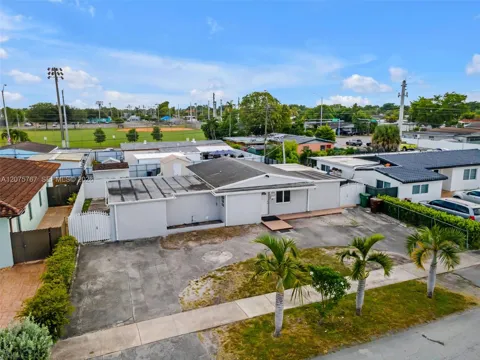
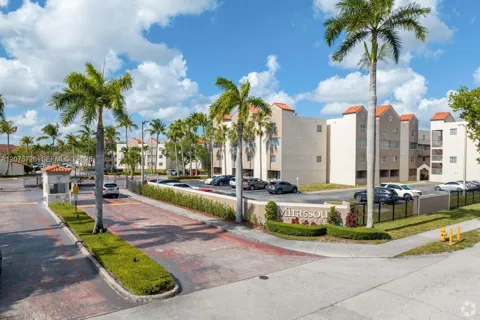
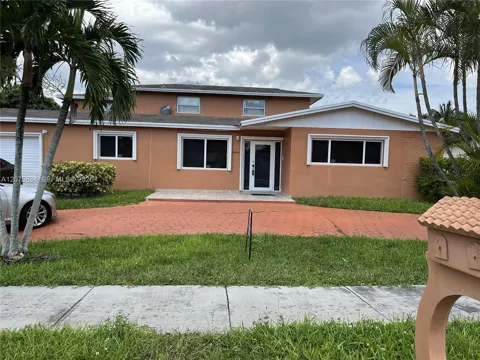
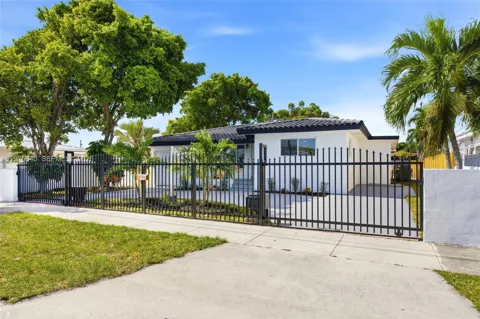
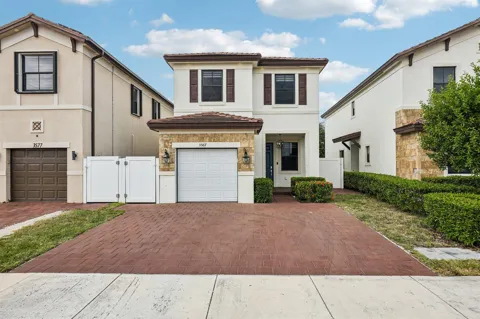
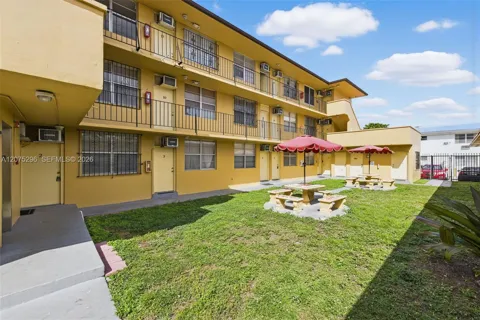
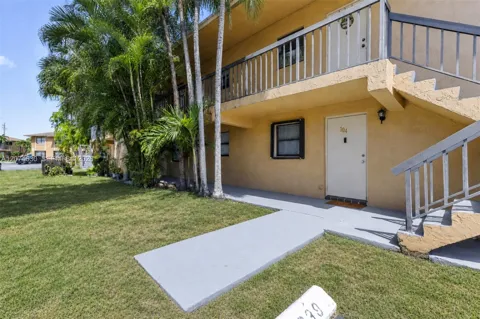
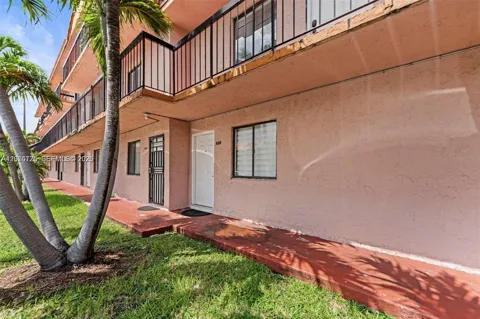
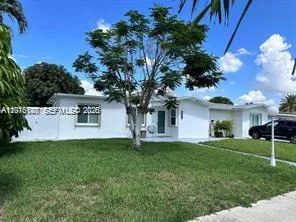
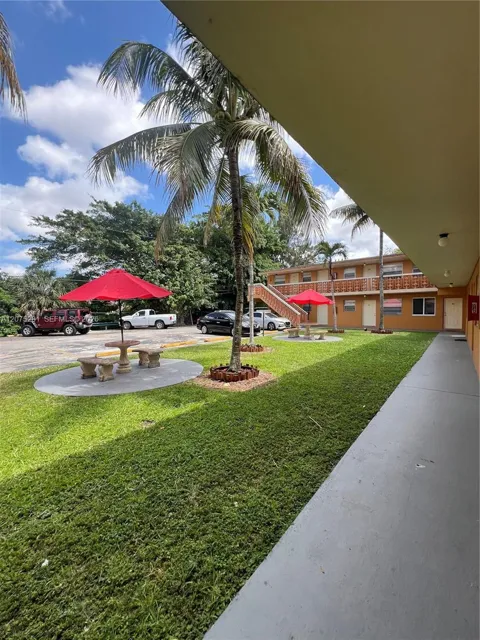
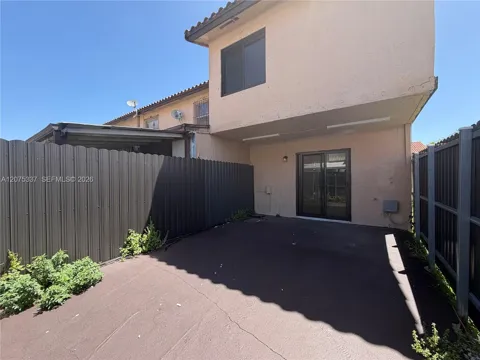
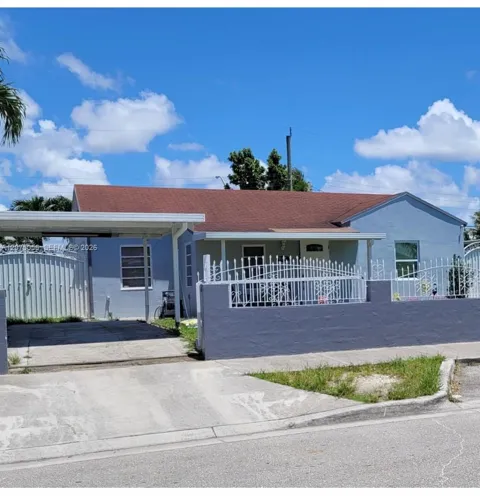
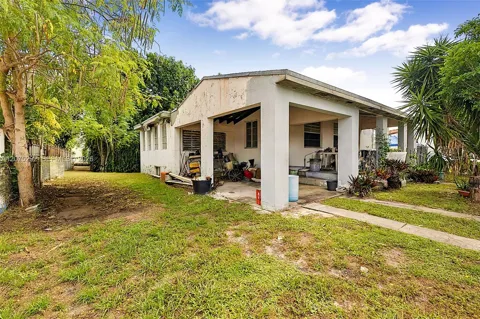
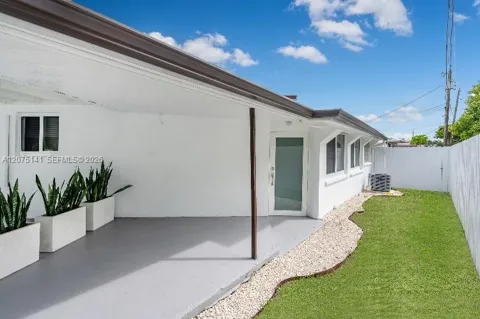
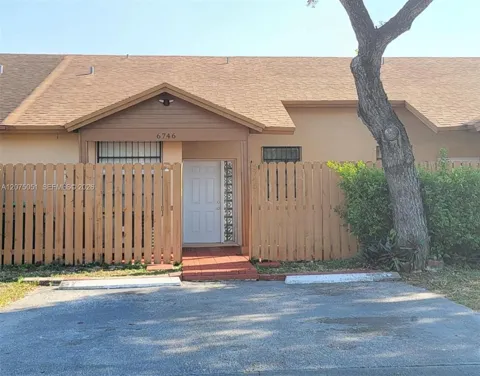
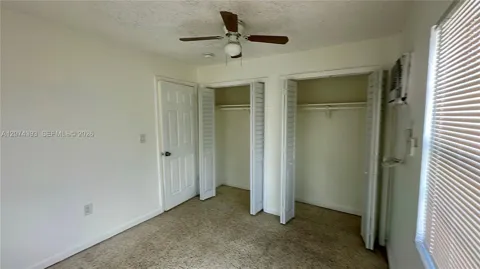
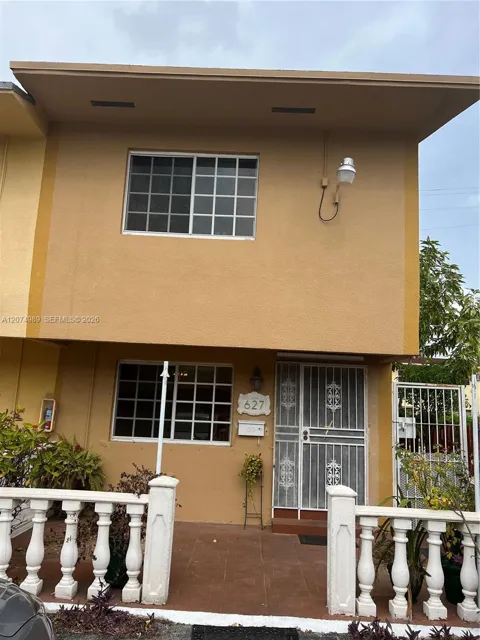
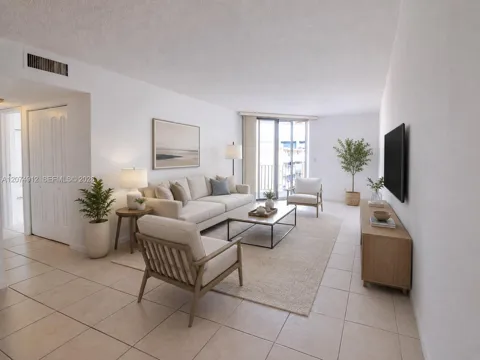
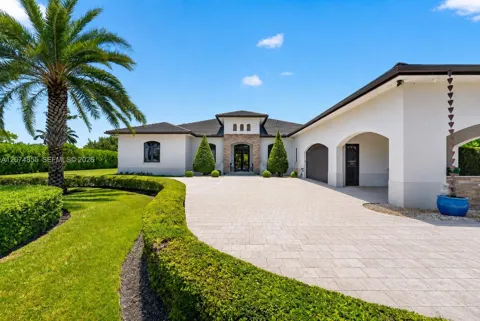
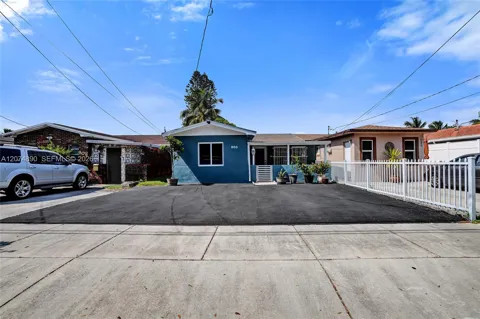
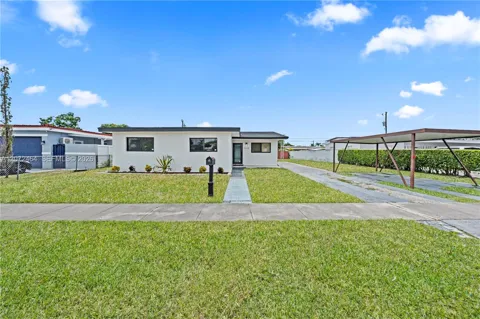
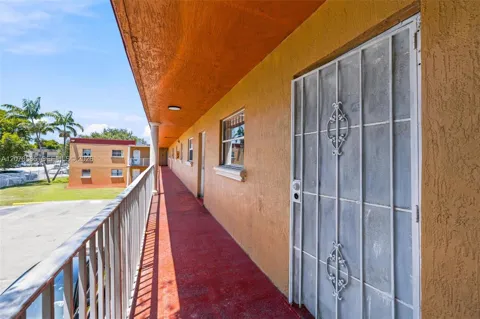
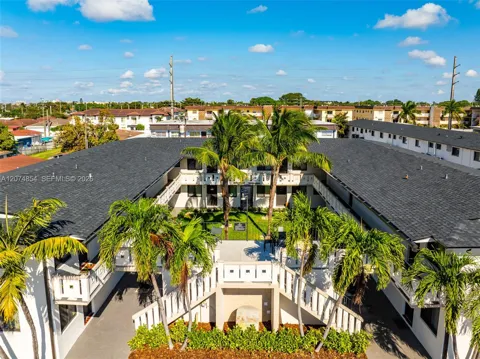
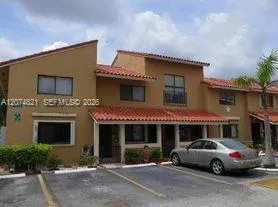
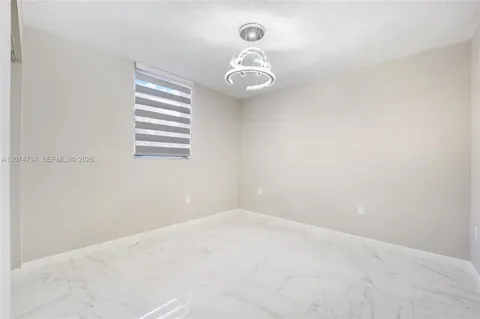
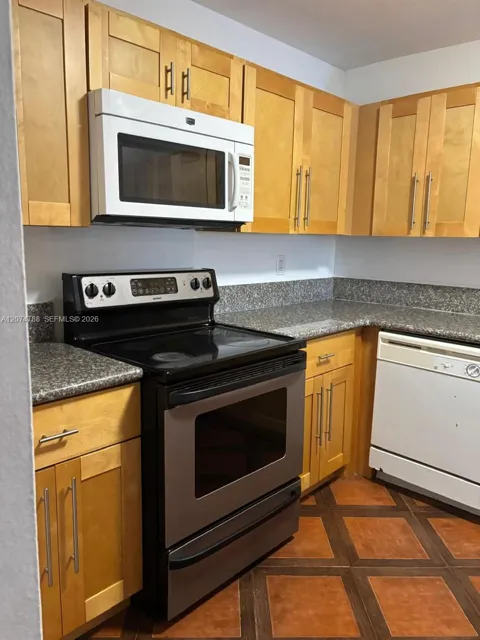
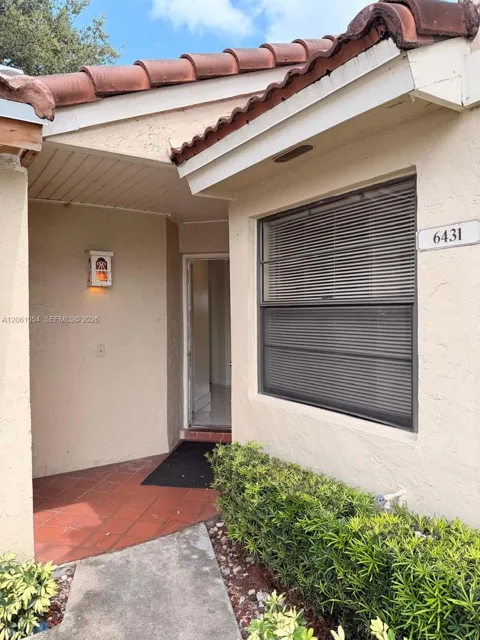
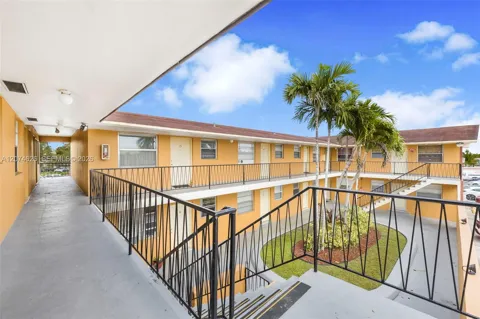
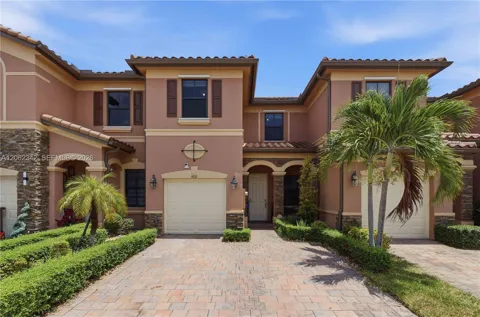
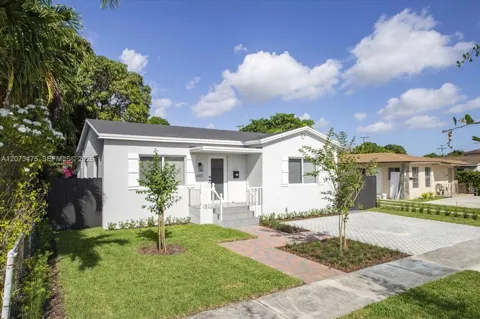
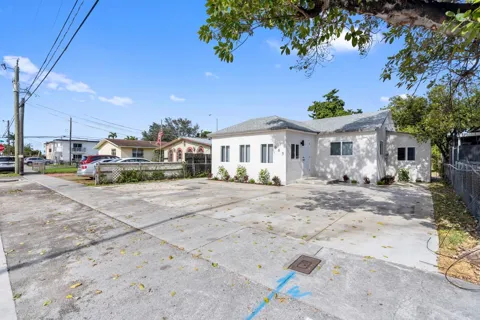
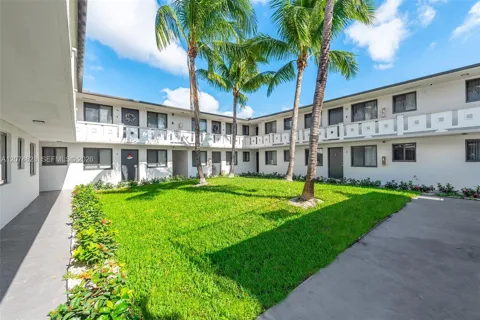
Hialeah's housing stock is dense and predominantly urban, reflecting the city's rapid mid-20th-century build-out and its role as an affordable gateway community in Miami-Dade County. Single-family homes on compact lots—many of the classic Florida ranch and Mediterranean styles—mix with a large inventory of duplexes, apartments, and small multi-family buildings, along with some newer infill townhomes and condominiums. The city's high population density means lot sizes are generally smaller than in Miami's outer suburbs, and housing is heavily oriented toward first-time buyers, multigenerational families, and investors. This compact, established fabric, set close to jobs, transit, and the airport, gives Hialeah a distinct market character centered on accessibility and urban convenience rather than suburban space.
Hialeah is a dense, largely built-out city whose neighborhoods form a continuous urban fabric rather than clearly separated suburban enclaves. The city's older residential core, developed in the mid-20th century, features compact single-family streets and duplexes, while major corridors such as Hialeah Drive, West 49th Street, and Palm Avenue are lined with commercial storefronts, restaurants, and shops. The area around Hialeah Park retains a historic character tied to the racetrack, and the adjoining Hialeah Gardens community extends the city's pattern to the west. Apartment and multi-family housing is distributed throughout, reflecting the city's density. This tightly woven, transit-served landscape distinguishes Hialeah from the sprawling suburbs that surround much of Miami-Dade County.
Hialeah offers a dense, energetic urban lifestyle steeped in Cuban-American culture. Spanish is widely spoken, and the city's cafeterias, bakeries, and restaurants serve a rich food culture centered on Cuban coffee, pastelitos, and traditional cooking that gives Hialeah one of the most distinctive local identities in Florida. Community life revolves around family, faith, and small business, with the Cuban Culture in Exile Heritage Park and Hialeah Park anchoring civic memory and events. The city's density means shopping, services, and transit are close at hand, and its position next to Miami puts the region's employment, entertainment, and beaches within easy reach. Hialeah is a working-class, tightly knit community with deep cultural roots and strong ties to the broader Miami metro.
Hialeah is served by Miami-Dade County Public Schools, the largest school district in Florida and one of the largest in the United States. The city's students attend a network of elementary, middle, and high schools, including Hialeah Senior High, Barbara Goleman Senior High, and various K-8 and middle school centers, with magnet and choice programs available district-wide. Because the district is vast and attendance zones follow specific addresses, families relocating to Hialeah generally verify the schools assigned to a particular home. The city's density and its large number of schools mean many families live within walking distance of a campus, and private and charter options are also available throughout the area.
Hialeah is among the most transit-connected cities in South Florida. Miami-Dade's Metrorail elevated rapid transit runs through the city with multiple stations, linking Hialeah to downtown Miami, the airport, and the broader Metrorail network, while Tri-Rail provides regional commuter rail with a Hialeah-area transfer station and service toward Fort Lauderdale and West Palm Beach. The Hialeah Transit System operates local bus routes, and countywide Metrobus service adds coverage. For drivers, the Palmetto Expressway (SR 826), I-75, and other corridors provide regional access, and Miami International Airport lies immediately south of the city. This dense mix of rail, bus, and highway infrastructure gives Hialeah residents strong options for car-free and car-based travel alike.
Hialeah's recreation is shaped by its urban density and its landmark spaces. Hialeah Park, the historic 1925 racetrack known as "The Grand Dame," anchors the city's sporting and event heritage, while the Cuban Culture in Exile Heritage Park provides a contemplative outdoor space honoring the city's Cuban-American community. The city's neighborhood parks, playgrounds, and recreational centers serve its many families, and organized youth sports are a fixture of local life. The proximity to Miami brings access to beaches, professional sports, and cultural institutions, while the airport and regional transit put the wider South Florida region within reach. For a densely built city, Hialeah offers a solid network of local parks and strong connections to the region's larger recreation and entertainment options.
MARKET SNAPSHOT
How homes have been selling here over the last 90 days.
Market data reflects closed sales over the last 90 days and is provided for informational purposes.
BROWSE BY ZIP
Browse listings by postal code in this area.